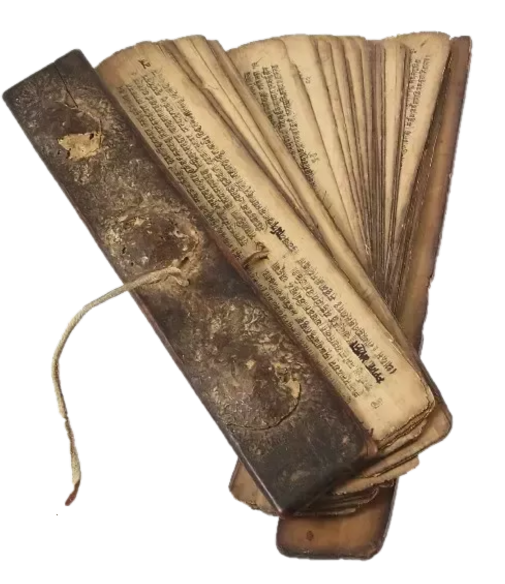
Shat.Upa 06.02
tasmai sa hovāca।
To him, he said:
ihaivāntaḥśarīre somya sa puruṣo yasminnetāḥ ṣoḍaśakalāḥ prabhavantīti। sa īkṣāñcakre। kasminvahamutkrānta utkrānto bhaviṣyāmi। kasminvā pratiṣṭhite pratiṣṭhāsyāmīti॥
Dear one, here, within the body, is the person in whom these sixteen parts arise. He pondered, 'In what shall I be departed? In what shall I be established?' thus.
sa prāṇamasṛjata। prāṇāt śraddhāṃ khaṃ vāyurjyo'tirāpaḥ pṛthivīndriyaṃ mano'nnamannādvīryaṃ tapo mantrāḥ karma lokā lokeṣu nāma ca ॥2॥
He (the Lord) created life (prāṇa), and from life came faith, space, air, light, waters, earth, senses, mind, food, strength, austerity, mantras, actions, and worlds, along with their names, i.e. designations, in the worlds.
Bhāṣya 06.02
A testimonial is provided to clarify the right sequence - "From Vishnu's breath comes faith; from faith comes Rudra, the mind. From Rudra comes Indra, the essence of the senses, and from Indra comes Soma, the deity of food." Also, Bra.Su 2.4.4 clarifies that mind is a higher principle compared to senses.
karmeti puṣkaraḥ prokta uṣā nāmābhimāninī। lokābhimānī parjanyaḥ svāhā vai mantradevatā॥
The action is referred to as Puṣkara, Uṣā is the presiding deity of the lord's name (nāma), Parjanya (one among the twelve sons) is the presiding deity of the world, and Svāhā (the wife of Fire) is indeed the deity associated with the mantra.
tapobhimānī vahniśca varuṇo vīryadevatā। annasya devatā somaḥ manonāmāniruddhakaḥ॥
The Fire is the presiding deity of penance, and Varuna is for valor, and Soma is the deity of food, and Lord Aniruddha, the unobstructed, is the presiding deity of mind.
indriyeśāśca sūryādyāḥ ścakṣurādyabhimāninaḥ। rudro vīndraḥ śeṣakāmau manasastveva devatāḥ॥
The deities presiding over the senses, starting with the sun, are those associated with the senses like the eye. Rudra, Vīndra, Śeṣa, and Kāma are specifically the deities of the mind.
śraddheti vāyoḥ patnī syāt sarveṣāṃ prabhavāpyayā। tasyāśca kāraṇaṃ prāṇaḥ sarveṣāmuttamottamaḥ॥
Shraddhā, i.e. Faith, it is said, is the wife of Vāyu, presiding over the origin and dissolution of everything. Of her, the cause is Prāṇa, the life force, the supreme best of all.
tasyāpīśaḥ kāraṇaṃ ca vāsudevaḥ paro'vyayaḥ। na tasya sadṛśaḥ kaścit kuta evottamo bhavet। taṃ jñātvā mucyate janturviditvaivaṃ parātparam॥
The supreme and imperishable Vasudeva is the cause and the lord. There is no one equal to him, let alone superior. By knowing him, a creature is liberated, understanding the supreme beyond.
iti tattvaviveke।
- stated thus is the ancient text of 'Tattvaviveke', i.e. the discernment of truth.
tasmājjāyate prāṇo manaḥ sarvendriyāṇi ca। khaṃ vāyurjyotirāpaḥ pṛthivī viśvasya dhāriṇī॥
From THAT, life, mind, all the senses, space, air, light, water, and earth, which supports the universe, are born.
iti mantrōkta eva kramaḥ। na hīndriyebhyo manaḥ paścāt।
Thus indeed is the order mentioned in the mantra. The mind does not follow the senses; it is the other way around.
tatprāk śruteśca (bra.sū 2.4.4)
"That, before hearing as well."
iti bhagavad-vacanam॥
- thus states the statement from the Lord (bra.sū 2.4.4)
viṣṇoḥ prāṇastataḥ śraddhā tasyā rudro manobhidhaḥ। tasmādindrastvindriyātmā tasya somo'nnadevatā॥
From Vishnu's breath comes faith; from faith comes Rudra, the mind. From Rudra comes Indra, the essence of the senses, and from Indra comes Soma, the deity of food.
tataśca varuṇaḥ sruṣṭastasmādagnistato'varaḥ। ākāśadevatā vighnastato vāyoḥ suto marut॥
Then Varuna was created, from whom Agni emerged, followed by the lesser sky deity as an obstacle, and then Marut, the son of Vayu.
tasmād agniḥ pāvakākhyaḥ prathamo'gneḥ sutastataḥ। tataḥ parjanya udbhūtaḥ svāhāto mantradevatā॥
From that, Agni, known as Pāvaka, was the first son of Agni. Then, Parjanya arose from Svāhā, the deity of the mantras.
udātmakō budhastasyā uṣānāmātmikā tataḥ। tataḥ śaniḥ pṛthivyātmā karmātmā puṣkarastataḥ॥
Mercury embodies the essence of the dawn, while Saturn represents the essence of the earth, and followed by Pushkara, the essence of action.
kramāt pratyavarā hyete muktāḥ sarvaguṇairapi। nityamuktastato viṣṇuḥ prāṇādapyuttamottamaḥ॥
Those that follow subsequently are indeed inferior. Therefore, Viṣṇu is eternally free, liberated with all qualities, surpassing even life, the supreme of the supreme.
iti ca।
- stated thus as well.