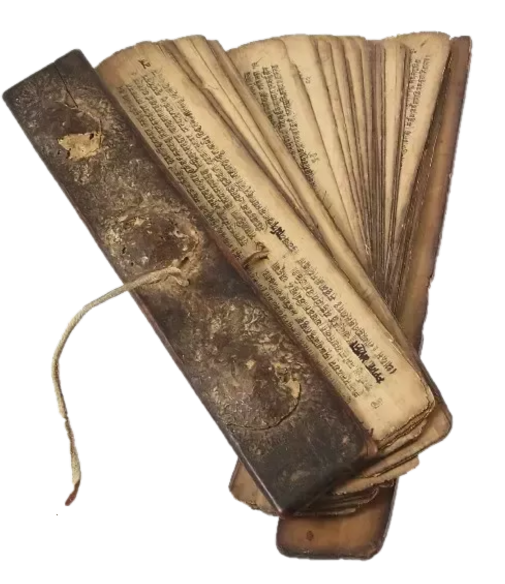
Taittirīyopaniṣat 01.25
शं नो मित्रः शं वरुणः। शं नो भवत्वर्यमा। शं न इन्द्रो बृहस्पतिः। शं नो विष्णुरुरुक्रमः।
May Mitra bring us auspiciousness; may Varuṇa bring us auspiciousness. May Aryaman grant us auspiciousness. May Indra and Bṛhaspati bring us auspiciousness. May Lord Viṣṇu, the wide-striding, bring us auspiciousness.
नमो ब्रह्मणे। नमस्ते वायो। त्वमेव प्रत्यक्षं ब्रह्मासि। त्वामेव प्रत्यक्षं ब्रह्माऽवादिषम्। ऋतमवादिषम्। सत्यमवादिषम्। तन्मामावीत्। तद्वक्तारमावीत् । अवीन्माम्। अवीद्वक्तारम्।
Obeisance to Brahman. Obeisance to you, O Vāyu. You alone are the directly perceivable Brahman. You alone I have declared as the directly perceivable Brahman. I have declared the as-is reality. I have declared the truth. May that protect me. May that protect the speaker. May it protect me. May it protect the speaker.
ॐ शान्तिः शान्तिः शान्तिः॥
oṃ, peace, peace, peace.
Taittirīya Bhāshya 01.25
As Vāyu also has fivefold forms like prāṇa and others, it is appropriate to address Vāyu as the directly perceived Brahman in the beginning and in the end.
संहितायाः पञ्चाधिकरणाभिमानित्वं प्राणादिरूपस्य वायोरपि भवति। पृथिव्यन्तरिक्षमित्युक्तपाङ्क्तत्वं च। अत उपक्रमोपसंहारयोः त्वमेव प्रत्यक्षं ब्रह्म वदिष्यामि। त्वामेव प्रत्यक्षं ब्रह्मावादिषम् इति युज्यते॥
The identification of the Saṃhitā with five bases is also present for vāyu in the form of prāṇa and others. The fivefold-ness, as stated—'earth, sky', etc.—is also present. Therefore, at the beginning and end, the statements 'You alone I shall declare as the directly perceived Brahman. You alone I have declared as the directly perceived Brahman' are appropriate.
॥ इति तैत्तिरीयोपनिषद्भाष्ये शिक्षावल्ली समाप्ता ॥
Thus, the Śikṣāvallī chapter in the commentary on the Taittirīya Upaniṣad is concluded.