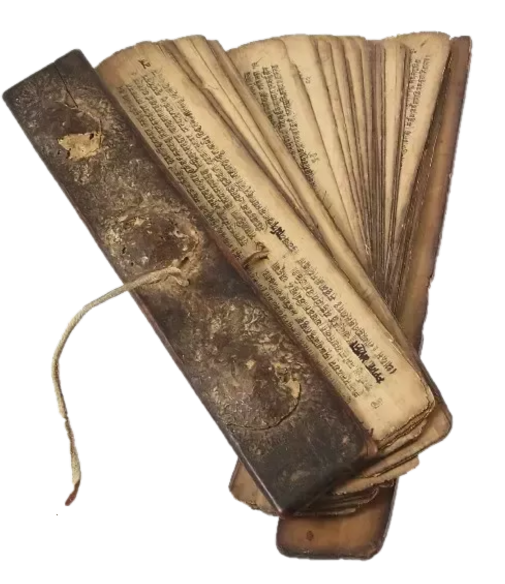
Taittirīyopaniṣat 01.22
अहं वृक्षस्य रेरिवा। कीर्तिः पृष्ठं गिरेरिव। ऊर्ध्वपवित्रो वाजिनीवस्वमृतमस्मि। द्रविणगं सवर्चसम्। सुमेधा अमृतोक्षितः। इति त्रिशङ्कोर्वेदानुवचनम् ॥२२॥
ahaṃ vṛkṣasya rerivā। kīrtiḥ pṛṣṭhaṃ gireriva। ūrdhvapavitro vājinīvasvamṛtamasmi। draviṇagaṃ savarcasam। sumedhā amṛtokṣitaḥ। iti triśaṅkor vedānuvacanam ॥22॥
[अहम् (aham) - I; self; वृक्षस्य (vṛkṣasya) - of the tree; रेरिवा (rerivā) - sap; essence; कीर्तिः (kīrtiḥ) - fame; glory; पृष्ठम् (pṛṣṭham) - back; support; गिरेः (gireḥ) - of the mountain; इव (iva) - like; as; ऊर्ध्वपवित्रः (ūrdhvapavitraḥ) - purified upwards; upwardly pure; वाजिनीव (vājinīva) - like a swift horse; अस्वम् (asvam) - horse; steed; अमृतम् (amṛtam) - immortal; nectar; अस्मि (asmi) - am; I am; द्रविणगम् (draviṇagam) - attainer of wealth; सवर्चसम् (savarcasam) - full of radiance; सुमेधा (sumedhā) - of good intellect; अमृतोक्षितः (amṛtokṣitaḥ) - anointed with nectar; इति (iti) - thus; so; त्रिशङ्कोः (triśaṅkoḥ) - of Triśaṅku; वेदानुवचनम् (vedānuvacanam) - recitation of the Veda;]
"I am the essence of the tree (of worldly existence); my fame is as the mountain's summit. I got purified and got elevated by the swift horse Vājinīvasu, (i.e. the one whose wealth is horses, i.e. Lord Vishnu abiding in the Sun). Because of which I have become immortal, wealthy, radiant, wise, and anointed with nectar" - Thus is the Vedic utterance of Triśaṅku.
Taittirīya Bhāshya 01.22
Testimonial from an ancient text, Yajuḥ-viveka is referenced to understand the above ecstatic utterance of King Triśaṅku, descendant of Manu, after he gets liberated by the grace of supreme Lord Hari. The cryptic word 'Vājinīvasu' i.e. the one whose wealth is horses, here refers to Lord Vishnu who abides in the Sun, possessor of swift horses.
"संसारवृक्षच्छेत्ताऽहं मत्कीर्तिः पर्वतोपमा। अत्युत्कृष्टेन हरिणा पावितोऽस्मि यतः स्फुटम्॥"
"saṃsāravṛkṣacchettā'haṃ matkīrtiḥ parvatopamā। atyutkṛṣṭena hariṇā pāvito'smi yataḥ sphuṭam॥"
[संसार (saṃsāra) - cycle of existence; वृक्ष (vṛkṣa) - tree; च्छेत्ता (cchēttā) - cutter; destroyer; अहम् (aham) - I; मत् (mat) - my; कीर्तिः (kīrtiḥ) - fame; पर्वत (parvata) - mountain; उपमा (upamā) - like; comparison; अत्युत्कृष्टेन (atyutkṛṣṭena) - by the most excellent; हरिणा (hariṇā) - by Hari (Viṣṇu); पावितः (pāvitaḥ) - purified; अस्मि (asmi) - am; यतः (yataḥ) - because; स्फुटम् (sphuṭam) - clearly;]
I am the one who has cut down the tree of worldly existence; my fame is as great as a mountain. I have been purified by the supreme Lord Hari, and clearly this is evident.
"वाजिरूपश्च नेता च वाजिनीः सूर्य उच्यते। तत्रस्थो भगवान् विष्णुः सम्प्रोक्तो वाजिनीवसुः॥"
"vājirūpaś ca netā ca vājinīḥ sūrya ucyate। tatrastho bhagavān viṣṇuḥ samprokto vājinīvasuḥ॥"
[वाजि (vāji) - horse; steed; रूपः (rūpaḥ) - form; appearance; च (ca) - and; नेता (netā) - leader; guide; च (ca) - and; वाजिनीः (vājinīḥ) - possessor of horses; सूर्यः (sūryaḥ) - Sun; उच्यते (ucyate) - is called; तत्र (tatra) - there; स्थः (sthaḥ) - standing; abiding; भगवान् (bhagavān) - the Lord; विष्णुः (viṣṇuḥ) - Viṣṇu; सम्प्रोक्तः (samproktaḥ) - is declared; is said; वाजिनीवसुः (vājinīvasuḥ) - Vājinīvasu (one whose wealth is horses);]
The Sun, in the form of a horse and as a leader, is called the possessor of horses. There, the Lord Viṣṇu, abiding in it, is said to be Vājinīvasu, i.e. the one whose wealth is horses.
"तेनामृतोऽस्मि द्रविणं नित्यानन्दस्वरूपतः। तेनामृतेन सिक्तोऽहं तेन व्याप्तो यतस्सदा॥"
"tenāmṛto'smi draviṇaṃ nityānandasvarūpataḥ। tenāmṛtena sikto'haṃ tena vyāpto yatas sadā॥"
[तेन (tena) - by that; अमृतः (amṛtaḥ) - immortal; अस्मि (asmi) - I am; द्रविणम् (draviṇam) - wealth; नित्य (nitya) - eternal; आनन्द (ānanda) - bliss; स्वरूपतः (svarūpataḥ) - by nature; तेन (tena) - by that; अमृतेन (amṛtena) - by the immortal; सिक्तः (siktaḥ) - moistened; अहम् (aham) - I; तेन (tena) - by that; व्याप्तः (vyāptaḥ) - pervaded; यतः (yataḥ) - because; सदा (sadā) - always;]
Because of that, I am immortal, and my wealth is of the nature of eternal bliss; by that immortality I am moistened, and by that I am always pervaded.
"इत्याह मन्त्रदृक् पूर्वं त्रिशङ्कुर्मानवो नृपः॥"
"ityāha mantradṛk pūrvaṃ triśaṅkurmānavo nṛpaḥ॥"
[इति (iti) - thus; आह (āha) - said; मन्त्रदृक् (mantradṛk) - seer of mantras; पूर्वं (pūrvaṃ) - formerly; त्रिशङ्कुः (triśaṅkuḥ) - Triśaṅku; मानवः (mānavaḥ) - descendant of Manu; नृपः (nṛpaḥ) - king;]
"Thus, the seer of mantras, King Triśaṅku, descendant of Manu, spoke in earlier times."
इति यजुर्विवेके॥
iti yajurviveke॥
[इति (iti) - thus; यजुः-विवेके (yajuḥ-viveke) - in the discernment of Yajur;]
- stated thus in the ancient text Yajuḥ-viveka, the discernment of the Yajur.