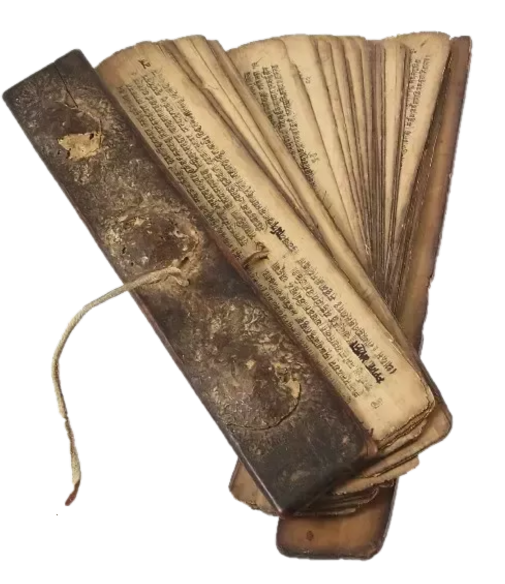
Taittirīyopaniṣat 01.01
oṃ śaṃno mitraḥ śaṃ varuṇaḥ। śaṃno bhavatvaryamā। śaṃna indro bṛhaspatiḥ। śaṃno viṣṇururukramaḥ। namo brahmaṇe। namaste vāyo। tvameva pratyakṣaṃ brahmāsi। tvāmeva pratyakṣaṃ brahma vadiṣyāmi। ṛtaṃ vadiṣyāmi। satyaṃ vadiṣyāmi। tanmāmavatu। tadvaktāramavatu। avatumām। avatu vaktāram। oṃ śāntiḥ śāntiḥ śāntiḥ ॥1॥
Om. Auspiciousness to us from Mitra, auspiciousness from Varuṇa. May Aryamā be auspicious to us. May Indra and Bṛhaspati be auspicious to us. May Viṣṇu of wide stride be auspicious to us.
Salutation to Brahman. Salutation to you, O Vāyu. You indeed are the directly perceivable Brahman. You indeed, I shall declare as the directly perceivable Brahman.
I shall declare ṛta (cosmic order). I shall declare satya (truth). May that protect me. May that protect the speaker. May it protect me. May it protect the speaker.
Om. Peace, peace, peace.
Taittirīya Bhāshya 01.01
Brahman is truth, knowledge, infinite, and bliss; the one with all powers. He is praised by all gods, known as Lord Viṣṇu, ever-present and most beloved.
A reference is provided from Yajur Veda Saṃhitā, where the following aspects of the Upanishad come to light:
-
Lord Vishnu first taught this knowledge to Brahma, who imparted it to Varuna, and then Varuna imparted it to sage Brugu.
-
It is a praise to Lord Acyuta, who is of fivefold nature, complete, consisting of food and other realms, and also speaks to various acts of the wind god.
-
Just before attaining liberation, sage Brugu praised Lord Achuta with these hymns. Lord Janārdana, being well-pleased, gave knowledge and eternal liberation to him. This shows it is possible to attain final liberation by understanding and practicing the knowledge within this Upanishad.
satyaṃ jñānam-anantam-ānandaṃ brahma sarvaśakty-ekam। sarvair devair īḍyaṃ viṣṇv-ākhyaṃ sarvadaimi supreṣṭam॥
Brahman is truth, knowledge, infinite, and bliss; the one with all powers. He is praised by all gods, known as Lord Viṣṇu, ever-present and most beloved.
"ādityasaṃsthitād viṣaṇoḥ śrutvā brahmā yathā harim। tuṣṭāva tatprakāreṇa vruṇoktena vai bhṛguḥ॥
After hearing from Lord Vishnu, who is situated in the sun, praised as Lord Hari by Lord Brahma; indeed, Bhṛgu praised him in the same way using the words spoken by Varuna.
viṣṇum staut tathā prāha śan no mitrādikā śrutiḥ। yad uvāca haris sūryamaṇḍalasthaḥ paraḥ pumān॥
The Veda, starting with the hymn 'May Mitra be auspicious to us', thus praises Lord Viṣṇu and conveys the words spoken by Lord Hari, the supreme person residing in the solar orb.
brahmā tadāha varuṇe varuṇo bhṛgave'pi tu। śnnomitrādibhirvākyaisthaireva harimastuvat॥
Brahmā then spoke to Varuṇa; Varuṇa in turn to Bhṛgu; and thus, through "Śnno Mitra and others" - through steadfast words, Lord Hari was praised.
bhṛguḥ pañcātmakam pūrṇam annādimayam acyutam। muktagītāvasānaistu stutastenajanārdanaḥ। suprītaḥ pradadau jñānaṃ svātmabhaktiṃ ca śāśvatīm॥"
Sage Bhṛgu, in the end, while getting liberated, praised Lord Acyuta with songs, who is of fivefold nature, complete, consisting of food and other realms. Janārdana, being well-pleased, gave knowledge and eternal devotion to his own self."
ityādi yajussaṃhitāyām।
- stated thus in the Yajur Veda Saṃhitā.
"bhṛgu-vākyatayā vāyu-namaskārādikaṃ hariḥ। provāca brahmaṇe caivaṃ vacassu bahudarśiṣu॥"
"Hari, following Bhṛgu's statement, spoke to Brahmā in this way, about the salutations and related acts of the wind god, in front of the many seers."
iti ca॥
- stated thus as well.