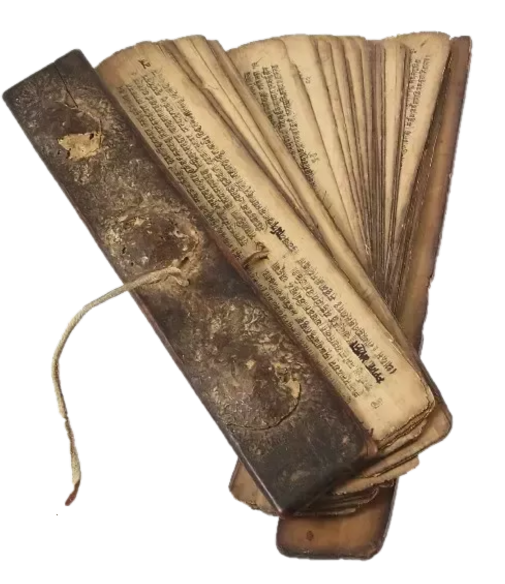
Taittirīyopaniṣat 01.02
oṃ śikṣāṃ vyākhyāsyāmaḥ। varṇasvaraḥ। mātrā balam। sāma santānaḥ। ityuktaḥ śikṣādhyāyaḥ ॥2॥
Oṃ. We shall explain phonetics: letters and sounds, measure, strength, intonation, and continuity. Thus is said the chapter on phonetics.
Taittirīya Bhāshya 01.02
As Lord Vishnu is the desirable object, 'varaṇīyaḥ', he is 'varṇaḥ', the letter depicting the sound. As He is the one who takes delight in himself, 'svarateḥ', he is called 'svaraḥ', the vowel sound. He protects by a measure, considered in the mind, 'māna', hence He is called 'mātrā', i.e. a measure unit. In a person, Lord Viṣṇu establishing himself in the 'varṇa', i.e. syllable, and others, grants each the corresponding action. He is present with equal glory in all forms and is continuous and unbroken.
varaṇīyo varṇaḥ। svaratestu svaraḥ। mānāt trātā mātrā। balarūpaḥ। samaśca sarvarūpeṣu। santataśca।
As he is the desirable object (varaṇīyaḥ), he is 'varṇaḥ', the letter depicting the sound. As he is the one who takes delight in himself (svarateḥ), he is called 'svaraḥ', the vowel sound. He protects by a measure, considered in the mind, hence He is called 'mātrā', i.e. a measure unit. He is of the form of strength. He is present with equal glory and the same in all forms. He is continuous and unbroken.
varṇādivācakaṃ rūpaṃ jñeyaṃ varaṇādināmakam। viṣṇorvarṇādisaṃsthaṃ ca puṃsu tattatkriyāpradam॥
"The forms that denote varṇa and similar categories should be understood as names (of the Lord) such as Varaṇa and others. In a person, Lord Viṣṇu establishing himself in the varṇa, i.e. syllable, and others, grants each the corresponding action."