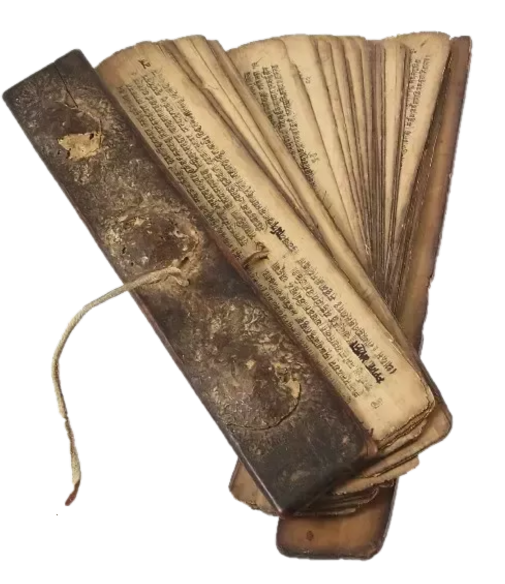
Māndukya 2.05
द्वैतस्याग्रहणं तुल्यमुभयोः प्राज्ञतुर्ययोः। बीजनिद्रायुतः प्राज्ञः सा च तुर्ये न विद्यते ॥५॥
In both the 'Prājña' and 'Turya' i.e. the fourth state, there is an equal non-acceptance of duality. The 'Prājña' is associated with the state of seed-sleep, but this deep-sleep does not exist in the fourth state.
Bhāshya 2.05
The state of deep-sleep and the fourth are contrasted by one having seed-sleep and the other being all-seeing, though both experience the effect of not perceiving the duality. The contrast is because, seed of grasping duality is present in the deep sleep of the 'Prajna' state.
"निद्रायुतास्तु विश्वाद्यास्तदधीना यतो हि सा। यथा भृत्ययुतः स्वामी न ह्यज्ञानं परात्मनः॥"
"All beings are subject to sleep and are dependent on her, for just as a master is not afflicted by his servants, there is no ignorance of the Supreme Ātmān."
इति च।
- stated thus as well.
"अभेदमपि तद्ब्रह्म बहुरूपं विशेषतः। करोति न करोतीति व्यवहार्यं स्वशक्तितः॥"
"Even though Brahman is inherently undivided, it manifests in multiple forms, acting and not acting, pragmatically through its own power."
इति च।
- stated thus as well.
न संवेदयतीति अस्वीकारे। "तुर्यं तत् सर्वदृक् सदा द्वैतस्याग्रहणं तुल्यमुभयोः प्राज्ञतुर्ययोः" इति च विरुद्धम्। द्वैतग्रहणाकारणत्वं तुल्यमित्यर्थः।
The term 'na saṁvedayatī' i.e 'Not perceiving', indicates not-acceptance, (of the duality in a deep state without seeing). The statement "The fourth state, which is all-seeing, always involves non-acceptance of duality" is in contrast (as this state is all-seeing). The effect of not accepting duality is considered similar (in both the states).
"द्वैतं न ग्राहयेत् तुर्यो न च प्राज्ञः कथञ्चन। द्वैतग्रहणबीजं तु निद्रा प्राज्ञं समाश्रिता॥"
"In both the deep-sleep and the fourth state, one is made not to understand duality. However, the seed of grasping duality is present in the wise one's deep sleep."
इति प्रकटश्रुतिः।
- stated thus is the Vedic testimonial, named Prakaṭa.