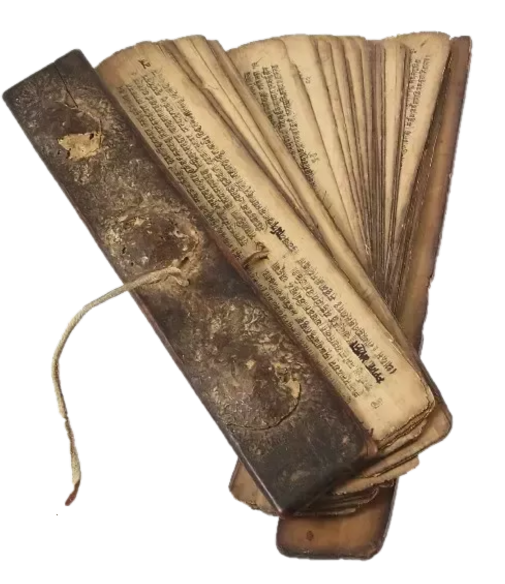
Taittirīyopaniṣat 01.15
स य एषोऽन्तर्हृदय आकाशः। तस्मिन्नयं पुरुषो मनोमयः। अमृतो हिरण्मयः। अन्तरेण तालुके। य एषस्तन इवावलम्बते। सेन्द्रयोनिः। यत्रासौ केशान्तो विवर्तते। व्यपो ह्यशीर्षकपाले ॥१५॥
sa ya eṣo'ntarhṛdaya ākāśaḥ। tasminnayaṃ puruṣo manomayaḥ। amṛto hiraṇmayaḥ। antareṇa tāluke। ya eṣas-tana ivāvalambate। sendrayoniḥ। yatrāsau keśānto vivartate। vyapo hyaśīrṣakapāle ॥15॥
[स (sa) - he; य (ya) - who; एषः (eṣaḥ) - this; अन्तर्हृदय (antarhṛdaya) - within-the-heart; आकाशः (ākāśaḥ) - space; तस्मिन् (tasmin) - in that; अयम् (ayam) - this; पुरुषः (puruṣaḥ) - person; मनोमयः (manomayaḥ) - mind-made; अमृतः (amṛtaḥ) - immortal; हिरण्मयः (hiraṇmayaḥ) - golden; अन्तरेण (antareṇa) - within; तालुके (tāluke) - palate; य (ya) - who; एषः (eṣaḥ) - this; स्तन (stana) - breast; इव (iva) - like; आवलम्बते (āvalambate) - hangs; स (sa) - he; इन्द्रयोनिः (indrayoniḥ) - Indra's passage; यत्र (yatra) - where; असौ (asau) - that; केशान्तः (keśāntaḥ) - end-of-hair; विवर्तते (vivartate) - turns; व्यपः (vyapaḥ) - apart / that which is separated (or pervaded); हि (hi) - indeed; अशीर्षकपाले (aśīrṣakapāle) - at the skull-plates;]
He who is in this space within the heart, is this (first) person composed of mind, who is immortal and golden. Within the palate, this (second) one hangs like a breast and is the passage of Indra. (The third one is situated) where the end of the hair turns apart. (The fourth,) indeed, pervades the skull-plates.
Taittirīya Bhāshya 01.15
Testimonial from Pancharatra is quoted identifying these four forms of the lord as corresponding to Anirudha, Pradyumna, Saṅkarṣaṇa, and Vāsudeva.
"य एष हृदयाकाशस्त्वनिरुद्धस्तु तद्गतः। प्रद्युम्नस्तालुमध्यस्थो लम्बिन्यामिन्द्रनामकः॥
"ya eṣa hṛdayākāśas tvaniruddhas tu tadgataḥ। pradyumnas tālumadhyastho lambinyām indranāmakaḥ॥
[य (ya) - who; एष (eṣa) - this; हृदयाकाशः (hṛdayākāśaḥ) - heart-space; त्वनिरुद्धः (tvaniruddhaḥ) - your-Anirudha, the unobstructed; तु (tu) - but; तद्गतः (tadgataḥ) - gone-there; प्रद्युम्नः (pradyumnaḥ) - Pradyumna; तालुमध्यस्थः (tālumadhyasthaḥ) - situated-in-the-middle-of-the-palate; लम्बिन्याम् (lambinyām) - in the one who hangs/droops; इन्द्रनामकः (indranāmakaḥ) - named-Indra;]
"He who is in this heart-space, unobstructed in you, is Lord Anirudha who has gone there. Lord Pradyumna is situated in the middle of the palate, is the one who droops in, and is called Indra.
व्याख्यः सुपर्णरूपत्वात् केशान्ते वर्तते तु यः। सङ्कर्षणः सुपर्णात्मा वासुदेवो वृपः स्मृतः॥ यस्माद् व्यपगत स्थाता जगति प्रलये विभुः। अशीर्षककपालोऽसौ कपालादुपरि स्थितः॥
vyākhyaḥ suparṇarūpatvāt keśānte vartate tu yaḥ। saṅkarṣaṇaḥ suparṇātmā vāsudevo vṛpaḥ smṛtaḥ॥ yasmād vyapagata sthātā jagati pralaye vibhuḥ। aśīrṣakakapālo'sau kapālādupari sthitaḥ॥
[व्याख्यः (vyākhyaḥ) - explanation; सुपर्णरूपत्वात् (suparṇarūpatvāt) - from the state of having the form of Suparṇa (Garuda); केशान्ते (keśānte) - at the end of the hair; वर्तते (vartate) - exists; तु (tu) - but; यः (yaḥ) - who; सङ्कर्षणः (saṅkarṣaṇaḥ) - Saṅkarṣaṇa (Balarama); सुपर्णात्मा (suparṇātmā) - having the essence of Suparṇa (Garuda); वासुदेवः (vāsudevaḥ) - Vāsudeva (Krishna); वृपः (vṛpaḥ) - form; स्मृतः (smṛtaḥ) - is remembered; यस्मात् (yasmāt) - from whom; व्यपगत (vyapagata) - departed; स्थाता (sthātā) - the one who remains; जगति (jagati) - in the world; प्रलये (pralaye) - at dissolution; विभुः (vibhuḥ) - the all-pervading; अशीर्षककपालः (aśīrṣakakapālaḥ) - the skull without a head; असौ (asau) - this; कपालात् (kapālāt) - from the skull; उपरि (upari) - above; स्थितः (sthitaḥ) - remains;]
One who exists at the root of the hair is actually Lord Saṅkarṣaṇa, and is explained to have the form of Suparṇa (Garuda). Lord Vāsudeva is remembered, who at the dissolution of the world, when the sustaining principle has departed from all, he remains as all-pervading. He is the headless skull that remains pervading above the skull.