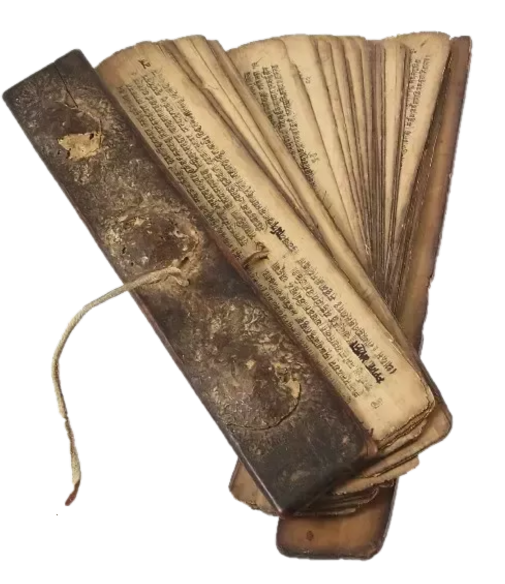
Māndukya 2.01
nāntaḥprajñaṃ na bahiḥprajñaṃ nobhayataḥ prajñaṃ na prajñānaghanaṃ naprajñaṃ nāprajñamadṛṣṭaṃ avyavahāryaṃ alakṣaṇaṃ acintyaṃ avyapadeśyaṃ aikātmyapratyayasāraṃ prapañcopaśamaṃ śivamadvaitaṃ caturthaṃ manyante।
It is considered the fourth state, which is not inward or outward consciousness, nor both; not a heavy consciousness, i.e. the individual being, nor deep-sleep-consciousness, nor non-consciousness. It is unseen, incomprehensible, without characteristics, inconceivable, indescribable, the essence of the conviction in one universal Ātmān (aikātmya-pratyaya-sāraṃ), the cessation of phenomena, and auspicious non-defective understanding (śivamadvaitaṃ).
sa ātmā sa vijñeyaḥ ॥1॥
That Ātmān is what should be known.
Bhāshya 2.01
'Śiva' - a state of happiness devoid of sorrow; 'dvitva', i.e. duality is the knowledge that perceives reality different from its AS-IS state. The fourth state is said to be unseen, beyond the reach of perception and other senses. The fourth state is the sole giver of all knowledge to the liberated. The fourth state, known as Turiya, dissolves the world's attachment to the body, leading to the cessation of worldly existence. The Ātmān, the Lord Vishnu, embodying the essence of the universe's origin, is to be realized by seekers of liberation. The Lord, though inherently undifferentiated, is expressed in fourfold ways.
"viṣṇusturīyarūpeṇa dvādaśānte vyavasthitaḥ। muktānāṃ prāpyarūpo'sau vyavahāre na dṛśyate॥
"Lord Vishnu, in the fourth form, resides at the end of the twelfth stage (centre of the head). This form, attainable by the liberated, is not perceived in worldly dealings.
samyak samāhitānāṃ tu prāptānāṃ ṣoḍaśīṃ kalām। aparokṣadṛśāṃ kvāpi turīyaṃ dṛśyate padam॥
For those who are perfectly concentrated and have attained the sixteenth part, the fourth state is perceived sometimes by those with direct vision.
antarbahiśca sauptaṃ ca samādhijñānameva ca। bahiḥ śabdādikaṃ jānan paśyan svapnaṃ tathaiva ca॥ yadā bhavati sā'vasthā hyubhayajñānaśabditā। etat sarvaṃ turīyeṇa rūpeṇa na karotyajaḥ। sarvajñānapradaścāpi muktasyaiva turīyakaḥ॥"
Whether inside or outside, in sleep or wakefulness, perceives external sounds and dreams alike. In that state, the knowledge of meditation is indeed termed as the knowledge of both. The unborn does not perform all this in the form of the fourth. The fourth state is also the sole giver of all knowledge to the liberated."
iti brahmāṇḍe।
- stated thus in the Brahmāṇḍa Purana.
amuktasya tvadṛśyatvāt ṣoḍaśīṃ vā kalāmṛte। turīyo'dṛṣṭa ityukto grahaṇāderagocaraḥ॥
"The unliberated, due to their invisibility, are described as the sixteenth or without a part. The fourth state is said to be unseen, beyond the reach of perception and other senses.
vinā muktiṃ tatastenāvyavahārya itīritaḥ। jāgradādipravṛttistu lakṣaṇaṃ hyanumāpakaṃ॥
Without liberation, it is said to be untransactable. However, the activities such as waking are indeed characteristics that can be inferred.
alakṣaṇastadrāhityādacintyastata eva ca। tata eva hyanirdeśyaścidhānandaikalakṣaṇaḥ॥
It is without characteristics due to the absence of attributes, inconceivable and indescribable, characterized by consciousness and bliss as one.
muktasya sarvavyāpārahetureva turīyakaḥ। ekaḥ pradhāna uddiṣṭa ātmā pūrṇatvataḥ śrutaḥ॥
The fourth state is indeed the cause of all activities of the liberated. The Ātmān, designated as the one chief, is understood from completeness.
tadevāsya svarūpaṃ yad īkātmyaṃ tena kīrtitaḥ। pratyayo jñānarūpatvāt sāra ānandarūpataḥ॥
Its true nature is the oneness that is praised. Conviction arises from the nature of knowledge, and its essence is the nature of bliss.
prapañco vistṛterviṣṇuḥ śama ānandarūpataḥ। utkṛṣṭānandarūpatvādupaśabdaḥ prakīrtitaḥ॥
The universe is an expansion of Lord Viṣṇu, embodying peace and bliss. Because of its excellent blissful nature, the term 'upa' is celebrated.
prapañcaṁ dehabandhākhyaṁ turīyaḥ śamayed yataḥ। prapañcopaśamastenāpy uktaḥ sa bhagavān prabhuḥ॥
The fourth state, known as Turiya, dissolves the world's attachment to the body, leading to the cessation of worldly existence. Hence, he is referred to as the Lord, the master.
nirduḥkhasukharūpatvācchivaśabdaḥ śrutau śrutaḥ। anyathāpratyayo dvaitaṃ śamayet taṃ yato hariḥ॥ advaitastena coddiṣṭasturīyaḥ puruṣottamaḥ॥"
The term 'Śiva' is understood in the scriptures as representing a state of happiness devoid of sorrow. If perceived otherwise, the belief in duality can disrupt the understanding of Lord Hari, who is described as non-dual, transcendent, and the supreme being."
iti māhātmye॥
- stated thus in the ancient testimonial named 'Māhātmye'.
"apekṣya vastuyāthārthyaṃ dvitvamanyasvarūpatā। iṇ gatāviti dhātośca tajjñānaṃ dvaitamucyate॥"
"The knowledge that is different from the AS-IS reality of the object is called 'dvitva' i.e. duality. The word 'ita' in 'dvitva' is formed by the combination of the 'iṇ' root with 'tau'. It is indicative of knowledge."
iti saṅkalpe।
- stated thus, in the ancient testimonial 'Saṅkalpa'.
"sa ātmā sa vijñeyaḥ" iti "so'yamātmā catuṣpādi" iti caturdhā vibhakta ucyate upasaṁhārārtham। "so'yamātmādhyakṣaram" iti pṛthagārambhāt।
It was previously stated - "This Ātmān is to be known", and "this Ātmān is four-footed". The same Ātmān, his fourth form for the purpose of conclusion, is described here. The phrase "This Ātmān is imperishable" is stated separately, indicating a new (chapter) beginning.
"viśvādirūpo yastvātmā sa vijñeyo mumukṣubhiḥ। nirviśeṣo'pi bhagavāṃścaturdhā samudīritaḥ॥"
"The Ātmān, embodying the essence of the universe's origin, is to be realized by seekers of liberation. The Lord, though inherently undifferentiated, is expressed in fourfold ways."
iti pratyaye।
- stated thus, in the ancient testimonial 'Pratyaya'.