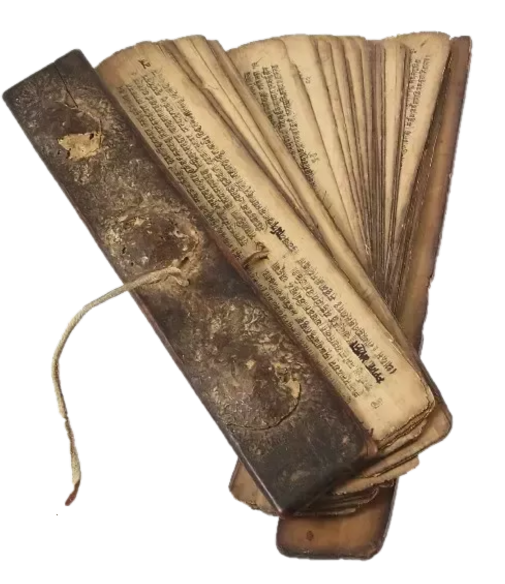
Bhagavad Gīta Bhāshya and Tātparya
B.G 8.21
अव्यक्तोऽक्षर इत्युक्तस्तमाहुः परमां गतिम्। यं प्राप्य न निवर्तन्ते तद्धाम परमं मम ॥२१॥
avyakto'kṣara ityuktastamāhuḥ paramāṁ gatim। yaṁ prāpya na nivartante taddhāma paramaṁ mama ॥21॥
[अव्यक्तः (avyaktaḥ) - The unmanifest; अक्षरः (akṣaraḥ) - The imperishable; इति (iti) - Thus; उक्तः (uktaḥ) - Is said; तम् (tam) - That; आहुः (āhuḥ) - They call; परमाम् (paramām) - Supreme; गतिम् (gatim) - Destination; यम् (yam) - Which; प्राप्य (prāpya) - Having attained; न (na) - Not; निवर्तन्ते (nivartante) - Return; तत् (tat) - That; धाम (dhāma) - Abode / the essential natural form; परमम् (paramam) - Supreme; मम (mama) - My;]
The unmanifest is called the imperishable; that is said to be the supreme goal. Having attained it, they does not return; that is My ultimate abode, the essential natural form.

...

बहुचित्रजगद्बहुधाकरणात् परशक्तिरनन्तगुणः परमः ।
सुखरूपममुष्य पदं परमं स्मरतस्तु भविष्यति तत्सततम् ॥
"The one who has created this variegated vast universe with varied forms has infinite power and is of infinite auspicious qualities. He certainly bestows the highest state of bliss to those who meditate on his ever happy essence." -Dwādasha stōtra 4.3

Source and Copyright: The Sanskrit works of Madhvacharya reproduced here are ancient public-domain texts. Digital Sanskrit sources are acknowledged wherever applicable. The English translations, explanatory notes and original editorial material on madhva.in are © Madhukrishna Sudhindra, unless otherwise indicated.