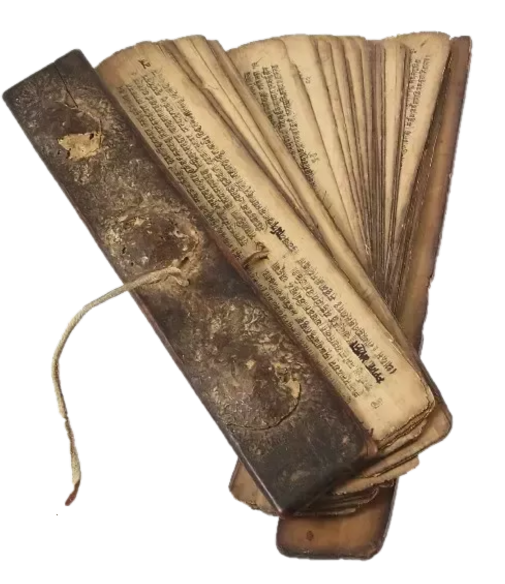
Bhagavad Gīta Bhāshya and Tātparya
B.G 11.44
तस्मात् प्रणम्य प्रणिधाय कायं प्रसादये त्वामहमीशमीड्यम्। पितेव पुत्रस्य सखेव सख्युः प्रियः प्रियायार्हसि देव सोढुम् ॥४४॥
tasmāt praṇamya praṇidhāya kāyaṁ prasādaye tvāmahamīśamīḍyam। piteva putrasya sakheva sakhyuḥ priyaḥ priyāyārhasi deva soḍhum॥44॥
[तस्मात् (tasmāt) - therefore; प्रणम्य (praṇamya) - having bowed down; प्रणिधाय (praṇidhāya) - having prostrated; कायं (kāyaṁ) - the body; प्रसादये (prasādaye) - I seek favor; त्वाम् (tvām) - you; अहम् (aham) - I; ईशम् (īśam) - the Lord; ईड्यम् (īḍyam) - worshipful; पितेव (piteva) - like a father; पुत्रस्य (putrasya) - of a son; सखेव (sakheva) - like a friend; सख्युः (sakhyuḥ) - of a companion; प्रियः (priyaḥ) - dear one; प्रियाय (priyāya) - to the beloved; अर्हसि (arhasi) - you should; देव (deva) - O Lord; सोढुम् (soḍhum) - to forgive;]
Therefore, bowing and prostrating my body, I seek your favour, O Lord, worthy of worship. Just as a father forgives his son, a friend his companion, or a beloved his beloved, so should you, O Lord, forgive me.

...

बहुचित्रजगद्बहुधाकरणात् परशक्तिरनन्तगुणः परमः ।
सुखरूपममुष्य पदं परमं स्मरतस्तु भविष्यति तत्सततम् ॥
"The one who has created this variegated vast universe with varied forms has infinite power and is of infinite auspicious qualities. He certainly bestows the highest state of bliss to those who meditate on his ever happy essence." -Dwādasha stōtra 4.3

Source and Copyright: The Sanskrit works of Madhvacharya reproduced here are ancient public-domain texts. Digital Sanskrit sources are acknowledged wherever applicable. The English translations, explanatory notes and original editorial material on madhva.in are © Madhukrishna Sudhindra, unless otherwise indicated.