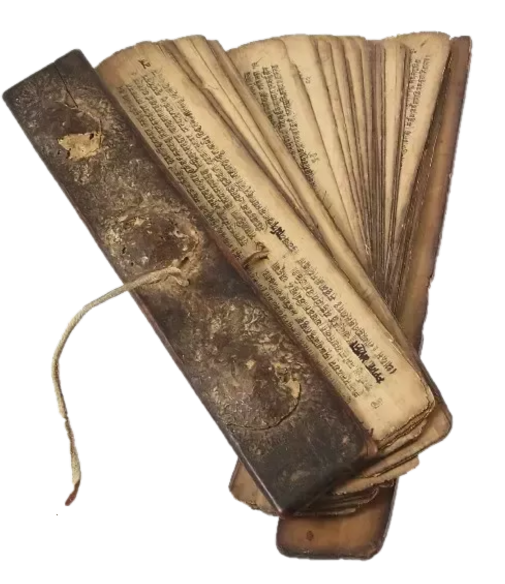
Chapter Four - Nijapūrṇasukhā (चतुर्थोध्यायः - निजपूर्णसुखा)
nijapūrṇasukhāmitabōdhatanuḥ paraśaktiranantaguṇaḥ paramaḥ। ajarāramaraṇaḥ sakalārtiharaḥ kamalāpatirīḍyatamōvatu naḥ ॥1॥
May the Lord of Kamalā, whose intrinsic form consists of perfect bliss and boundless consciousness, whose power is supreme, who possesses infinite qualities, who is supreme, free from old age and death, the remover of every affliction, and most worthy of praise, protect us. (1)
yadasuptigatōpi hariḥ sukhavān sukharūpiṇamāhuratō nigamāḥ। svamatiprabhavaṁ jagadasya yataḥ parabōdhatanuṁ ca tataḥ khapatim ॥2॥
Because Hari is blissful even without entering sleep, the Vedas therefore call him one whose nature is bliss; and because the universe arises from his own mind, they call the Lord of the sky one whose nature is supreme knowledge. (2)
bahucitrajagadbahudhākaraṇāt paraśaktiranantaguṇaḥ paramaḥ। sukharūpamamuṣya padaṁ paramaṁ smaratastu bhaviṣyati tatsatatam ॥3॥
Because he creates the richly varied universe in manifold ways, he possesses supreme power and infinite qualities and is supreme. But that supreme abode of his, whose nature is bliss, will always be for one who remembers him. (3)
smaraṇē hi parēśiturasya vibhōrmalināni manāṁsi kutaḥ karaṇam। vimalaṁ hi padaṁ paramaṁ svarataṁ taruṇārkasavarṇamajasya harēḥ ॥4॥
For when this supreme ruler, the all-pervading one, is remembered, how could minds become impure? The supreme abode of unborn Hari is stainless, delighting in itself, and the color of the rising sun. (4)
vimalaiḥ śrutiśāṇaniśātatamaiḥ sumanōsibhirāśu nihatya dr̥ḍham। balinaṁ nijavairiṇamātmatamōbhidamīśamanantamupāsva harim ॥5॥
Having swiftly slain your tenacious and powerful enemy with the pure swords of a good mind, sharpened keenest on the whetstone of scripture, worship Hari, the infinite Lord who destroys inner darkness. (5)
sa hi viśvasr̥jō vibhuśambhupurandarasūryamukhānaparānamarān। sr̥jatīḍyatamōvati hanti nijaṁ padamāpayati praṇatānsudhiyā ॥6॥
For he, most worthy of praise, creates, protects, and destroys the creators of the universe and the other immortals headed by Vibhu, Śambhu, Purandara, and Sūrya; he brings those who bow before him with pure understanding to his own abode. (6)
paramōpi ramēśiturasya samō na hi kaścidabhūnna bhaviṣyati ca। kvacidadyatanōpi na pūrṇasadāgaṇitēḍyaguṇānubhavaikatanōḥ ॥7॥
No one, not even the highest being, has ever been equal to this Lord of Ramā, nor will anyone ever be, nor is anyone now equal to him whose sole nature is the ever-complete experience of innumerable praiseworthy qualities. (7)
iti dēvavarasya harēḥ stavanaṁ kr̥tavān muniruttamamādarataḥ। sukhatīrthāpadābhihitaḥ paṭhatastadidaṁ bhavati dhruvamuccasukham ॥8॥
Thus the sage called Sukhatīrthāpada reverently composed this excellent hymn of praise to Hari, the best of gods. Supreme happiness is assured for one who recites it. (8)
iti śrīmadānandatīrthabhagavatpādācāryaviracitē dvādaśastōtrē caturthōdhyāyaḥ।
Thus ends the fourth chapter of the Dvādaśastotra, composed by the illustrious Ānandatīrtha Bhagavatpādācārya.