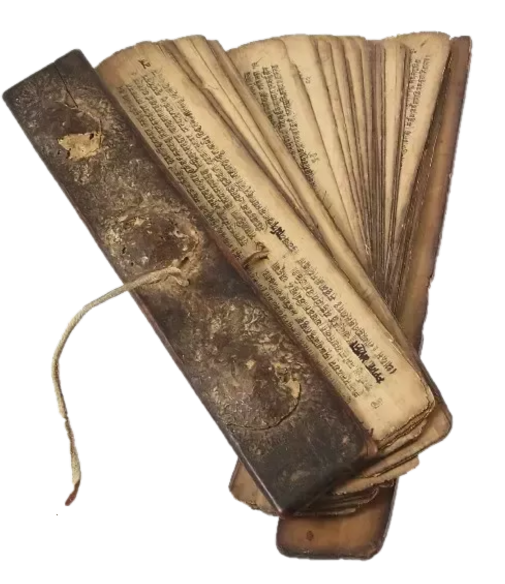
The Prescribed Procedure for the Ascetic’s Praṇava (यतिप्रणवकल्पः)
samiccarvājyakānhutvā samyakpuruṣasūktataḥ। sarvēṣāmabhayaṁ dattvā viraktaḥ pravrajēddharim ॥1॥
Having duly offered kindling, sacrificial porridge, and ghee in accordance with the Puruṣasūkta, and having granted all beings freedom from fear, he should, free from attachment, set forth toward Hari. (1)
śrutvā bhāgavataṁ śuddhamācāryaṁ śaraṇaṁ vrajēt। adhīhi bhagavō brahmētyasmai brūyādguruḥ param ॥2॥
After hearing the pure Bhāgavata, one should take refuge in a teacher and say, “Venerable sir, teach me Brahman.” The guru should then reveal the Supreme to him. (2)
uccārayēttriśastāraṁ dakṣiṇē śravaṇē tathā। r̥ṣicchandōdaivatāni brūyāttasya kramātsudhīḥ ॥3॥
The wise teacher should then recite the Tāra three times into the disciple’s right ear and identify, in order, its seer, meter, and deity. (3)
antaryāmīti gāyatrī paramātmētyanukramāt। viśvaśca taijasaḥ prājñasturyaścākṣaradēvatāḥ ॥4॥
Antaryāmin is its seer, Gāyatrī its meter, and Paramātman its deity. Viśva, Taijasa, Prājña, and Turya are the deities of its syllables. (4)
kr̥ṣṇō rāmō nr̥siṁhaśca varāhō viṣṇurēva ca। parañjyōtiḥ parambrahma vāsudēva iti kramāt ॥5॥
akārādēstathā śāntātiśāntāntasya dēvatāḥ। ēvamuktvā tu taddhyānaṁ brūyācchiṣyāya sadguruḥ ॥6॥
Kṛṣṇa, Rāma, Nṛsiṃha, Varāha, Viṣṇu himself, the Supreme Light, the Supreme Brahman, and Vāsudeva are, respectively, the corresponding deities of the series beginning with akāra and ending with śānta and atiśānta. After explaining this, the true teacher should teach the disciple the meditation on it. (5–6)
aṣṭapatrē tu hr̥tpadmē madhyē sūryēnduvahnigam। pīṭhaṁ tatpadmamadhyasthaṁ nārāyaṇamanāmayam ॥7॥
At the center of the eight-petaled lotus of the heart is a seat formed by the sun, moon, and fire. In the center of that lotus is Nārāyaṇa, free from affliction. (7)
udyadādityasaṅkāśaṁ tējasānupamaṁ sadā। sahasrēṇāpi sūryāṇāṁ sañjñānānandarūpiṇam ॥8॥
He resembles the rising sun and always possesses incomparable splendor, surpassing even a thousand suns; his nature is cognition and bliss. (8)
atiraktatalaṁ bhāsvannakhavrātavibhūṣitam। vr̥ttajaṅghaṁ vr̥ttajānuṁ hastihastōrumīśvaram ॥9॥
The Lord has deep-red soles and is adorned with a host of radiant nails. His shanks and knees are rounded, and his thighs resemble elephants’ trunks. (9)
mahākaṭitaṭābaddhakāñcīpītāmbarōjjvalam। sunimnanābhiṁ trivaliṁ suvr̥ttōdarabandhanam ॥10॥
A girdle fastened around his broad waist and a yellow garment make him resplendent. He has a deeply recessed navel, three abdominal folds, and a well-rounded abdomen. (10)
viśālavakṣasaṁ bhrājatkaustubhāmuktakandharam। vanamālādharaṁ hāravaijayantyādibhiryutam ॥11॥
He is broad-chested, and his neck is adorned with the radiant Kaustubha. He wears a forest garland, a necklace, the Vaijayantī, and other ornaments. (11)
pr̥thudīrghacaturbāhuṁ śaṅkhacakragadāmbujaiḥ। yuktamunnidrapadmākṣaṁ sphuranmakarakuṇḍalam ॥12॥
His four arms are broad and long, and he bears a conch, discus, mace, and lotus. His eyes resemble fully opened lotuses, and his makara-shaped earrings gleam. (12)
pūrṇacandrāyutōdriktakāntimanmukhapaṅkajam। subhruvaṁ sulalāṭāntaṁ kirīṭābaddhamūrdhajam ॥13॥
His lotus-like face shines more brightly than ten thousand full moons. He has beautiful brows and temples, and his hair is held in place by a crown. (13)
niḥśēṣaduḥkhadamanaṁ nityānandaśucismitam। viśvādīṁścaiva kr̥ṣṇādīnēvaṁ bhūtānsanātanān ॥14॥
abhinnānēva satataṁ tasmādviṣṇōḥ parātmanaḥ। varābhayōdyatakarānnityānandaikarūpiṇaḥ ॥15॥
He completely subdues all suffering and has a pure smile of eternal bliss. Viśva and those beginning with him, as well as Kṛṣṇa and those beginning with him, are likewise of this nature and are eternal, always non-different from that Viṣṇu, the Supreme Self. Their hands are raised to grant boons and freedom from fear, and their sole nature is eternal bliss. (14–15)
ēvamuktvā gururdhyānaṁ śapathaṁ kārayēttataḥ। na viṣṇuṁ vaiṣṇavāṁścaiva visr̥jēyamiti triśaḥ ॥16॥
After saying this, the teacher should have the disciple meditate and then take the following oath three times: “May I never abandon Viṣṇu or the Vaiṣṇavas.” (16)
na cānyadēvatāsāmyaṁ tadaikyamathavā harēḥ। cintayēyaṁ mr̥tō vāpi na cāpyēkatvavādibhiḥ ॥17॥
samatvavādibhirvāhaṁ saṅgacchēyaṁ kadācana। tannindakaiśca tadbhaktanindakairvā mahāmunē ॥18॥
“Even in death, may I never regard Hari as equal to or identical with other deities. May I never associate with proponents of oneness or equality, with those who revile him, or with those who revile his devotees, O great sage.” (17–18)
ēvaṁ kr̥tē tu śapathē mastakē hastapaṅkajam। nidhāyōttīrya saṁsārātsukhī bhava harēḥ priyaḥ ॥19॥
Once the oath has been taken, the teacher should place his lotus-like hand on the disciple’s head and say, “Cross beyond saṃsāra, and be happy and dear to Hari.” (19)
sarvaduḥkhādibhirmuktō nityānandaikarūpiṇaḥ। samprāpya viṣṇusāmīpyaṁ tatrāpi haribhaktimān ॥20॥
bhaktimāṁścānyadēvēṣu tāratamyaṁ ca saṁsmaran। sarvōtkarṣaṁ smaranviṣṇōrbhūyāścaiva sadā sukhī ॥21॥
Freed from all suffering and the like, may you attain proximity to Viṣṇu, whose sole nature is eternal bliss. Even there, may you remain devoted to Hari and also to the other deities, while keeping the hierarchy in mind and remembering Viṣṇu’s supremacy over all. May you always be happy. (20–21)
na muktau viṣṇunaikyaṁ vā muktānāṁ sāmyamēva vā। smarēthā iti cōktvātha samayānanuśikṣayēt ॥22॥
“In liberation, you should conceive neither identity with Viṣṇu nor equality among the liberated.” Having said this, he should then teach the prescribed observances. (22)
nityaśaśca harēḥ pūjā japadhyānasamarpaṇam। kartavyaṁ tu tvayā vatsa japaśca trisahasrakaḥ ॥23॥
Dear child, you must continually worship Hari, recite, meditate, and make offerings; your recitation should number three thousand repetitions. (23)
madhyamaḥ praṇavasyōktō yō’varaḥ sa sahasrakaḥ। trisahasrātparō yastu sa uttamajapaḥ smr̥taḥ ॥24॥
Three thousand repetitions of the praṇava are said to constitute the intermediate japa; one thousand is the lower practice, while more than three thousand is considered the highest. (24)
ātmānaṁ pratibimbatvē dhyāyan bimbaṁ janārdanam। dhyāyasva satataṁ vatsa saparyāṁ nityaśaḥ kuru ॥25॥
mānasairvātha puṣpairvā praṇavēna samāhitaḥ। anyāṁśca vaiṣṇavānmantrāñjapēthā bhaktipūrvakam ॥26॥
Contemplate yourself as a reflection and Janārdana as the original; meditate on him constantly, dear child, and worship him every day, either with flowers imagined in the mind or with actual flowers. With your mind focused through the praṇava, you should also recite other Vaiṣṇava mantras with devotion. (25–26)
śr̥ṇuṣva vaiṣṇavaṁ śāstraṁ sadā vēdārthatatparaḥ। vēdānmantrānupaniṣatsahitānsarvadā śr̥ṇu॥27॥
itihāsapurāṇaṁ ca pañcarātraṁ tathaiva ca। tadarthān brahmasūtraiśca samyaṅnirṇīya tattvataḥ। viṣṇōḥ sarvōttamatvaṁ ca sarvadā pratipādaya ॥28॥
Always listen to Vaiṣṇava scripture, intent on the meaning of the Vedas. Listen at all times to the Vedas and mantras together with the Upaniṣads, as well as the Itihāsa, Purāṇa, and Pañcarātra. Having correctly ascertained their true meaning by means of the Brahma-sūtras, always expound Viṣṇu’s supremacy over all. (27–28)
iti śrīmadānandatīrthabhagavatpādācāryaviracitaḥ yatipraṇavakalpaḥ samāptaḥ॥
Thus the Yatipraṇavakalpa, composed by the venerable Ānandatīrtha Bhagavatpādācārya, is concluded.