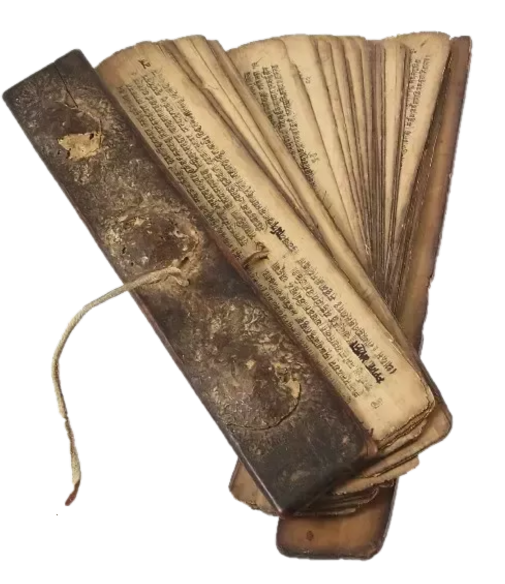
Tattvasaṅkhyānam (तत्त्वसङ्ख्यानम्)
तत्त्वसङ्ख्यानम्
tattvasaṅkhyānam
[तत्त्व + सङ्ख्यानम् (tattva + saṅkhyānam) - enumeration of realities;]
Enumeration of Realities
स्वतन्त्रमस्वतन्त्रं च द्विविधं तत्त्वमिष्यते । स्वतन्त्रो भगवान् विष्णुः भावाभावौ द्विधेतरत् ॥१॥
svatantramasvatantraṁ ca dvividhaṁ tattvamiṣyatē । svatantrō bhagavān viṣṇuḥ bhāvābhāvau dvidhētarat ॥1॥
[स्वतन्त्रम् (svatantram) - independent; अस्वतन्त्रम् (asvatantram) - dependent; च (ca) - and; द्विविधम् (dvividham) - of two kinds; तत्त्वम् (tattvam) - reality; इष्यते (iṣyatē) - is held to be; स्वतन्त्रः (svatantraḥ) - independent; भगवान् (bhagavān) - the Lord; विष्णुः (viṣṇuḥ) - Viṣṇu; भाव + अभावौ (bhāva + abhāvau) - existent reality and reality of absence; द्विधा (dvidhā) - twofold; इतरत् (itarat) - the other;]
Reality is held to be of two kinds: independent and dependent. The independent is Lord Viṣṇu; the other, the dependent, is twofold: existent reality (bhāva) and the reality of absence (abhāva). (1)
प्राक्प्रध्वंससदात्वेन त्रिविधोऽभाव इष्यते । चेतनाचेतनत्वेन भावोऽपि द्विविधो मतः ॥२॥
prākpradhvaṁsasadātvēna trividhō’bhāva iṣyatē । cētanācētanatvēna bhāvō’pi dvividhō mataḥ ॥2॥
[प्राक् (prāk) - prior; प्रध्वंस (pradhvaṁsa) - destructional; सदात्वेन (sadātvēna) - as perpetual; त्रिविधः (trividhaḥ) - threefold; अभावः (abhāvaḥ) - absence; इष्यते (iṣyatē) - is held to be; चेतन + अचेतनत्वेन (cētana + acētanatvēna) - as sentient and insentient; भावः (bhāvaḥ) - existent reality; अपि (api) - also; द्विविधः (dvividhaḥ) - twofold; मतः (mataḥ) - is regarded;]
The reality of absence is held to be threefold: prior absence, posterior absence, and perpetual absence. Existent reality is also regarded as twofold: sentient (cētana) and insentient (acētana). (2)
दुःखस्पृष्टं तदस्पृष्टमिति द्वेधैव चेतनम् । नित्यादुःखा रमाऽन्ये तु स्पृष्टदुःखास्समस्तशः ॥३॥
duḥkhaspr̥ṣṭaṁ tadaspr̥ṣṭamiti dvēdhaiva cētanam । nityāduḥkhā ramā’nyē tu spr̥ṣṭaduḥkhāssamastaśaḥ ॥3॥
[दुःख-स्पृष्टम् (duḥkha-spr̥ṣṭam) - touched by suffering; तत्-अस्पृष्टम् (tat-aspr̥ṣṭam) - untouched by it; इति (iti) - as; द्वेधा (dvēdhā) - in two ways; एव (ēva) - only; चेतनम् (cētanam) - the sentient; नित्य-अदुःखा (nitya-aduḥkhā) - eternally free from suffering; रमा (ramā) - Ramā; अन्ये (anyē) - the others; तु (tu) - however; स्पृष्ट-दुःखाः (spr̥ṣṭa-duḥkhāḥ) - touched by suffering; समस्तशः (samastaśaḥ) - all without exception;]
The sentient is of only two kinds: touched by suffering and untouched by it. Ramā is eternally free from suffering, while all the others, without exception, are touched by suffering. (3)
स्पृष्टदुःखा विमुक्ताश्च दुःखसंस्था इति द्विधा । दुःखसंस्था मुक्तियोग्या अयोग्या इति च द्विधा ॥४॥
spr̥ṣṭaduḥkhā vimuktāśca duḥkhasaṁsthā iti dvidhā । duḥkhasaṁsthā muktiyōgyā ayōgyā iti ca dvidhā ॥4॥
[स्पृष्ट-दुःखाः (spr̥ṣṭa-duḥkhāḥ) - those touched by suffering; विमुक्ताः (vimuktāḥ) - liberated; च (ca) - and; दुःख-संस्थाः (duḥkha-saṁsthāḥ) - those abiding in suffering; इति (iti) - thus classified; द्विधा (dvidhā) - in two ways; दुःख-संस्थाः (duḥkha-saṁsthāḥ) - those abiding in suffering; मुक्ति-योग्याः (mukti-yōgyāḥ) - eligible for liberation; अयोग्याः (ayōgyāḥ) - ineligible for liberation; इति (iti) - thus classified; च (ca) - also; द्विधा (dvidhā) - in two ways;]
Those touched by suffering are of two kinds: the liberated and those abiding in suffering. Those abiding in suffering are likewise of two kinds: eligible for liberation and ineligible for it. (4)
देवर्षिपितृपनरा इति मुक्तास्तु पञ्चधा । एवं विमुक्तियोग्याश्च तमोगाः सृतिसंस्थिताः ॥५॥
dēvarṣipitr̥panarā iti muktāstu pañcadhā । ēvaṁ vimuktiyōgyāśca tamōgāḥ sr̥tisaṁsthitāḥ ॥5॥
[देव (dēva) - gods; ऋषि (r̥ṣi) - sages; पितृ (pitr̥) - ancestors; प (pa) - rulers; नराः (narāḥ) - human beings; इति (iti) - thus; मुक्ताः (muktāḥ) - the liberated; तु (tu) - however; पञ्चधा (pañcadhā) - fivefold; एवम् (ēvam) - in the same way; विमुक्ति + योग्याः (vimukti + yōgyāḥ) - those fit for liberation; च (ca) - also; तमः + गाः (tamaḥ + gāḥ) - those who go to darkness; सृति + संस्थिताः (sr̥ti + saṁsthitāḥ) - those who remain in transmigration;]
इति द्विधा मुक्त्ययोग्या दैत्यरक्षपिशाचकाः । मर्त्याधमाश्चतुर्धैव तमोयोग्याः प्रकीर्तिताः ॥६॥
iti dvidhā muktyayōgyā daityarakṣapiśācakāḥ । martyādhamāścaturdhaiva tamōyōgyāḥ prakīrtitāḥ ॥6॥
[इति (iti) - thus; द्विधा (dvidhā) - of two kinds; मुक्ति + अयोग्याः (mukti + ayōgyāḥ) - those unfit for liberation; दैत्य + रक्ष + पिशाचकाः (daitya + rakṣa + piśācakāḥ) - Daityas, Rākṣasas, and Piśācas; मर्त्य + अधमाः (martya + adhamāḥ) - the lowest mortals; च (ca) - and; चतुर्धा (caturdhā) - of four kinds; एव (ēva) - precisely; तमस् + योग्याः (tamas + yōgyāḥ) - those fit for darkness; प्रकीर्तिताः (prakīrtitāḥ) - are proclaimed;]
ते च प्राप्तान्धतमसः सृतिसंस्था इति द्विधा । नित्यानित्यविभागेन त्रिधैवाचेतनं मतम् ॥७॥
tē ca prāptāndhatamasaḥ sr̥tisaṁsthā iti dvidhā । nityānityavibhāgēna tridhaivācētanaṁ matam ॥7॥
[ते (tē) - they; च (ca) - also; प्राप्त-अन्धतमसः (prāpta-andhatamasaḥ) - those who have attained utter darkness; सृति-संस्थाः (sr̥ti-saṁsthāḥ) - those abiding in transmigration; इति (iti) - thus; द्विधा (dvidhā) - of two kinds; नित्य-अनित्य-विभागेन (nitya-anitya-vibhāgēna) - by division into eternal and non-eternal; त्रिधा (tridhā) - threefold; एव (ēva) - precisely; अचेतनम् (acētanam) - the insentient; मतम् (matam) - is held to be;]
The liberated are fivefold: gods, sages, ancestors, rulers, and human beings; likewise, those eligible for liberation are also fivefold. Those unfit for liberation are of two kinds: those who go to darkness and those who remain in transmigration. (5–6)
Those fit for darkness are proclaimed to be precisely fourfold: Daityas, Rākṣasas, Piśācas, and the lowest of mortals. They too are of two kinds: those who have attained utter darkness and those who remain in transmigration. (6–7)
नित्या वेदाः पुराणाद्याः कालः प्रकृतिरेव च । नित्यानित्यं त्रिधा प्रोक्तमनित्यं द्विविधं स्मृतम् ॥८॥
nityā vēdāḥ purāṇādyāḥ kālaḥ prakr̥tirēva ca । nityānityaṁ tridhā prōktamanityaṁ dvividhaṁ smr̥tam ॥8॥
[नित्याः (nityāḥ) - eternal; वेदाः (vēdāḥ) - the Vedas; पुराणाद्याः (purāṇādyāḥ) - the Purāṇas and the like; कालः (kālaḥ) - time; प्रकृतिः + एव (prakr̥tiḥ + ēva) - Prakṛti itself; च (ca) - and; नित्य + अनित्यम् (nitya + anityam) - that which is both eternal and non-eternal; त्रिधा (tridhā) - threefold; प्रोक्तम् (prōktam) - is declared; अनित्यम् (anityam) - that which is non-eternal; द्विविधम् (dvividham) - twofold; स्मृतम् (smr̥tam) - is held to be;]
The insentient is held to be threefold: eternal, eternal and non-eternal, and non-eternal. The Vedas are eternal. That which is both eternal and non-eternal is declared to be threefold: the Purāṇas and the like, time, and Prakṛti. The non-eternal is held to be twofold. (7–8)
असंसृष्टं च संसृष्टमसंसृष्टं महानहम् । बुद्धिर्मनःखानि दश मात्रा भूतानि पञ्च च ॥९॥
asaṁsr̥ṣṭaṁ ca saṁsr̥ṣṭamasaṁsr̥ṣṭaṁ mahānaham । buddhirmanaḥkhāni daśa mātrā bhūtāni pañca ca ॥9॥
[असंसृष्टम् (asaṁsr̥ṣṭam) - the uncombined; च (ca) - and; संसृष्टम् (saṁsr̥ṣṭam) - the combined; असंसृष्टम् (asaṁsr̥ṣṭam) - the uncombined; महान् (mahān) - Mahat; अहम् (aham) - the ego-principle; बुद्धिः (buddhiḥ) - intellect; मनः (manaḥ) - mind; खानि (khāni) - faculties; दश (daśa) - ten; मात्रा (mātrā) - subtle elements; भूतानि (bhūtāni) - gross elements; पञ्च (pañca) - five; च (ca) - and;]
Of the (non-eternal), there are the uncombined and the combined. The uncombined comprises Mahat, the ego-principle, intellect, mind, the ten faculties, the subtle elements, and the five gross elements. (9)
संसृष्टमण्डं तद्गं च समस्तं सम्प्रकीर्तितम् । सृष्टिः स्थितिः संहृतिश्च नियमोऽज्ञानबोधने ॥१०॥
saṁsr̥ṣṭamaṇḍaṁ tadgaṁ ca samastaṁ samprakīrtitam । sr̥ṣṭiḥ sthitiḥ saṁhr̥tiśca niyamō’jñānabōdhanē ॥10॥
[संसृष्टम् (saṁsr̥ṣṭam) - combined; अण्डम् (aṇḍam) - cosmic egg; तद्गम् (tadgam) - contained within it; च (ca) - and; समस्तम् (samastam) - the entirety; सम्प्रकीर्तितम् (samprakīrtitam) - is fully proclaimed; सृष्टिः (sr̥ṣṭiḥ) - creation; स्थितिः (sthitiḥ) - maintenance; संहृतिः (saṁhr̥tiḥ) - dissolution; च (ca) - and; नियमः (niyamaḥ) - regulation; अज्ञान + बोधने (ajñāna + bōdhanē) - ignorance and cognition;]
बन्धो मोक्षः सुखं दुःखमावृत्तिर्ज्योतिरेव च । विष्णुनास्य समस्तस्य समासव्यासयोगतः ॥११॥
bandhō mōkṣaḥ sukhaṁ duḥkhamāvr̥ttirjyōtirēva ca । viṣṇunāsya samastasya samāsavyāsayōgataḥ ॥11॥
[बन्धः (bandhaḥ) - bondage; मोक्षः (mōkṣaḥ) - liberation; सुखम् (sukham) - pleasure; दुःखम् (duḥkham) - pain; आवृत्तिः (āvr̥ttiḥ) - recurrence; ज्योतिः + एव (jyōtiḥ + ēva) - light itself; च (ca) - and; विष्णुना + अस्य (viṣṇunā + asya) - by Viṣṇu of this; समस्तस्य (samastasya) - entire whole; समास + व्यास + योगतः (samāsa + vyāsa + yōgataḥ) - through aggregate and detailed application;]
The combined is proclaimed to be the cosmic egg and everything contained within it. (10)
Creation, maintenance, dissolution, regulation, ignorance, cognition, bondage, liberation, pleasure, pain, recurrence, and light itself of this entire whole are brought about by Viṣṇu, in aggregate and in detail. (10–11)
इति श्रीमदानन्दतीर्थभगवत्पादाचार्यविरचितं तत्त्वसङ्ख्यानम् ॥
iti śrīmadānandatīrthabhagavatpādācāryaviracitaṁ tattvasaṅkhyānam ॥
[इति (iti) - thus ends; श्रीमत् + आनन्दतीर्थ + भगवत्पादाचार्य (śrīmat + ānandatīrtha + bhagavatpādācārya) - the venerable Ānandatīrtha Bhagavatpādācārya; विरचितम् (viracitam) - composed by; तत्त्वसङ्ख्यानम् (tattvasaṅkhyānam) - Tattvasaṅkhyāna;]
Thus ends the Tattvasaṅkhyāna, composed by the venerable Ānandatīrtha Bhagavatpādācārya.