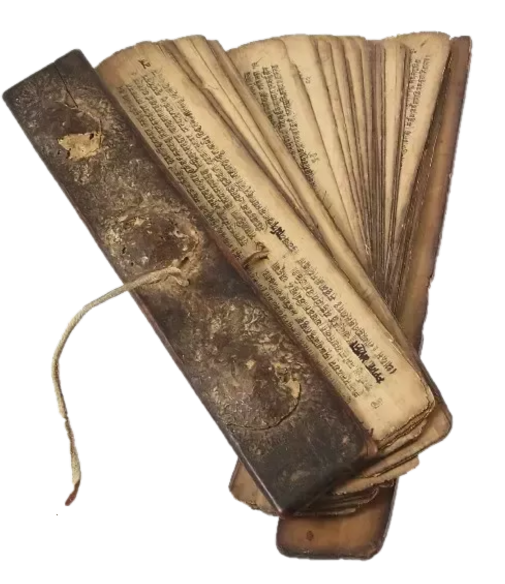
Tattvasaṅkhyānam (तत्त्वसङ्ख्यानम्)
तत्त्वसङ्ख्यानम्
Enumeration of Realities
स्वतन्त्रमस्वतन्त्रं च द्विविधं तत्त्वमिष्यते । स्वतन्त्रो भगवान् विष्णुः भावाभावौ द्विधेतरत् ॥१॥
Reality is held to be of two kinds: independent and dependent. The independent is Lord Viṣṇu; the other, the dependent, is twofold: existent reality (bhāva) and the reality of absence (abhāva). (1)
प्राक्प्रध्वंससदात्वेन त्रिविधोऽभाव इष्यते । चेतनाचेतनत्वेन भावोऽपि द्विविधो मतः ॥२॥
The reality of absence is held to be threefold: prior absence, posterior absence, and perpetual absence. Existent reality is also regarded as twofold: sentient (cētana) and insentient (acētana). (2)
दुःखस्पृष्टं तदस्पृष्टमिति द्वेधैव चेतनम् । नित्यादुःखा रमाऽन्ये तु स्पृष्टदुःखास्समस्तशः ॥३॥
The sentient is of only two kinds: touched by suffering and untouched by it. Ramā is eternally free from suffering, while all the others, without exception, are touched by suffering. (3)
स्पृष्टदुःखा विमुक्ताश्च दुःखसंस्था इति द्विधा । दुःखसंस्था मुक्तियोग्या अयोग्या इति च द्विधा ॥४॥
Those touched by suffering are of two kinds: the liberated and those abiding in suffering. Those abiding in suffering are likewise of two kinds: eligible for liberation and ineligible for it. (4)
देवर्षिपितृपनरा इति मुक्तास्तु पञ्चधा । एवं विमुक्तियोग्याश्च तमोगाः सृतिसंस्थिताः ॥५॥
इति द्विधा मुक्त्ययोग्या दैत्यरक्षपिशाचकाः । मर्त्याधमाश्चतुर्धैव तमोयोग्याः प्रकीर्तिताः ॥६॥
ते च प्राप्तान्धतमसः सृतिसंस्था इति द्विधा । नित्यानित्यविभागेन त्रिधैवाचेतनं मतम् ॥७॥
The liberated are fivefold: gods, sages, ancestors, rulers, and human beings; likewise, those eligible for liberation are also fivefold. Those unfit for liberation are of two kinds: those who go to darkness and those who remain in transmigration. (5–6)
Those fit for darkness are proclaimed to be precisely fourfold: Daityas, Rākṣasas, Piśācas, and the lowest of mortals. They too are of two kinds: those who have attained utter darkness and those who remain in transmigration. (6–7)
नित्या वेदाः पुराणाद्याः कालः प्रकृतिरेव च । नित्यानित्यं त्रिधा प्रोक्तमनित्यं द्विविधं स्मृतम् ॥८॥
The insentient is held to be threefold: eternal, eternal and non-eternal, and non-eternal. The Vedas are eternal. That which is both eternal and non-eternal is declared to be threefold: the Purāṇas and the like, time, and Prakṛti. The non-eternal is held to be twofold. (7–8)
असंसृष्टं च संसृष्टमसंसृष्टं महानहम् । बुद्धिर्मनःखानि दश मात्रा भूतानि पञ्च च ॥९॥
Of the (non-eternal), there are the uncombined and the combined. The uncombined comprises Mahat, the ego-principle, intellect, mind, the ten faculties, the subtle elements, and the five gross elements. (9)
संसृष्टमण्डं तद्गं च समस्तं सम्प्रकीर्तितम् । सृष्टिः स्थितिः संहृतिश्च नियमोऽज्ञानबोधने ॥१०॥
बन्धो मोक्षः सुखं दुःखमावृत्तिर्ज्योतिरेव च । विष्णुनास्य समस्तस्य समासव्यासयोगतः ॥११॥
The combined is proclaimed to be the cosmic egg and everything contained within it. (10)
Creation, maintenance, dissolution, regulation, ignorance, cognition, bondage, liberation, pleasure, pain, recurrence, and light itself of this entire whole are brought about by Viṣṇu, in aggregate and in detail. (10–11)
इति श्रीमदानन्दतीर्थभगवत्पादाचार्यविरचितं तत्त्वसङ्ख्यानम् ॥
Thus ends the Tattvasaṅkhyāna, composed by the venerable Ānandatīrtha Bhagavatpādācārya.