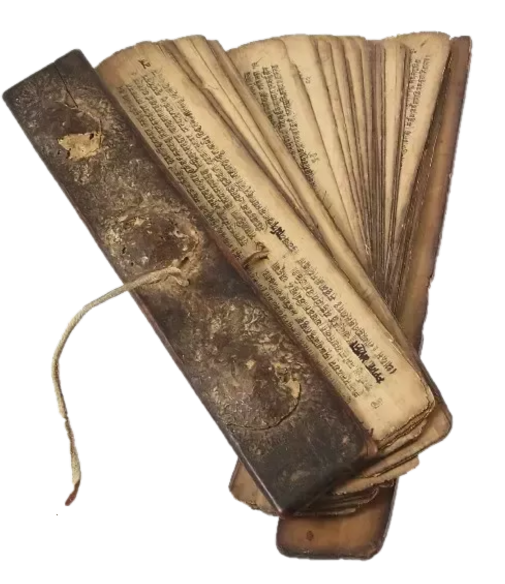
Mundaka 3.01
tad etat satyam।
That and this - is the truth.
yathā sudīptāt pāvakāt viṣphuliṅgāḥ sahasraśaḥ prabhavante sarūpāḥ। tathākṣarād vividhāḥ somya bhāvāḥ prajāyante tatra caivāpiyanti ॥1॥
As from a blazing fire, sparks of a similar form arise in thousands, so, dear one, from the imperishable, various beings are born, and there indeed they merge.
divyo hyamūrtaḥ puruṣaḥ sa bāhyābhyantaro hyajaḥ। aprāṇo hyamanāḥ śubhro hyakṣarātparataḥ paraḥ ॥2॥
The divine being is formless and transcends both the external and internal realms. He is unborn, without breath or mind, pure, and exists beyond the imperishable, as the supreme entity.
Bhāshya 3.01 and 02
Three types of 'akṣara', i.e. imperishable are recognized in the scriptures - (i) the inferior imperishable is that 'Prakrti', i.e. insentient, in inert form; (ii) the supreme imperishable is 'Shri', i.e Goddess Lakshmi; and (iii) Beyond these is the Lord, supreme imperishable Vasudeva, the embodiment of supreme bliss.
"aparaṁ tvakṣaraṁ yā sā prakṛtirjaḍarūpikā। akṣaraṁ paramaṁ śrīstu parataḥ paramakṣaram। vāsudevaḥ parānandaḥ iti trividhamakṣaram॥"
"The inferior imperishable is that 'Prakrti', i.e. insentient, in inert form, while the supreme imperishable is 'Shri', i.e. Goddess Lakshmi. But beyond that is the supreme imperishable Vasudeva, the embodiment of supreme bliss. Thus, the imperishable is categorized into three forms."
iti ca ॥2॥
- stated thus as well.