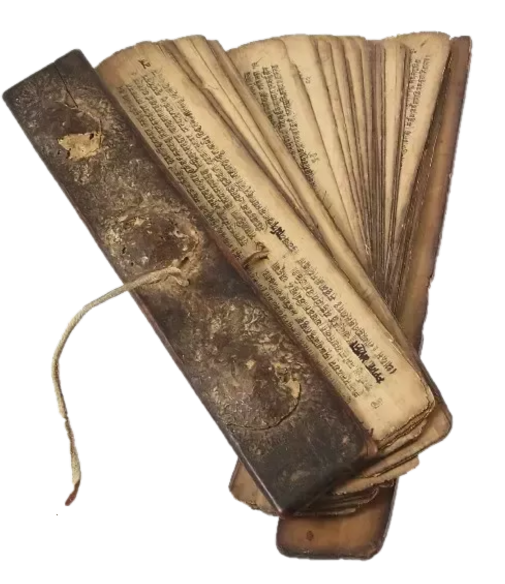
Māndukya 1.01
omity etad akṣaram idaṃ sarvam। tasyopavyākhyānaṃ bhūtaṃ bhavad bhaviṣyad iti। sarvam oṅkāra eva। yac cānyat trikālātītaṃ tad apy oṅkāra eva ॥1॥
"Om" is the essence of everything. It encompasses the past, present, and future. Everything is indeed Om, and anything beyond these three times is also Om.
Bhāshya 1.01
Testimonials from Pamda-Purana, Bṛhat-Saṃhitā, and Nairguṇya that are closer to the hermeneutic horizon of the Upanishad are quoted to set the right context. Traditionally, the Upanishad mantras are believed to be praises uttered by the god Varuna in the form of a frog to Lord Narayana.
By stating, "All is indeed Om," the completeness of anything else is rejected.
In nature, the transcendence of the three times exists, and is unique, and belongs solely to Lord Hari.
"maṇḍūkarūpiṇā varuṇena catūrūpo nārāyaṇaḥ stūyate। dhyāyan nārāyaṇaṃ devaṃ praṇavena samāhitaḥ। maṇḍūkarūpī varuṇastuṣṭāva harimavyayam॥"
"In the form of a frog, Narayana, who is four-formed, is praised by Varuna. The god meditating on Narayana, with the Pranava, concentrated. Varuna, in the form of a frog, praised the imperishable Hari."
iti pādme।
- stated thus in the Padma Purana.
"omityuktaṃ tu yad brahma tadakṣaramudāhṛtam। autamatra jagadyasmādoṃ tasmāt bhagavān hariḥ॥ tadidaṃ guṇapūrtyaiva sarvamityeva śabditam। bhāvibhūtabhavatkāleṣvekarūpatayā hariḥ॥ sarvadā nitya ityeṣā vyākhyōṅkārasya kīrtitā॥"
"Om is declared to be Brahman, the imperishable. It is from Om that the world exists, and therefore, Lord Hari is all. This is expressed as the fulfillment of all qualities. In all times - future, past, and present - Hari remains one in form, always eternal. Thus, this explanation of Omkara is proclaimed."
iti bṛhatsaṃhitāyām।
- stated thus in the Bṛhat Saṃhitā.
"omityākriyate yasmādoṅkāro'sāvataḥ paraḥ। sarvatvamiti pūrṇatvaṃ tannānyasya hareḥ kvacit॥"
"Om is uttered because the syllable Om is supreme; thus, allness and completeness are attributes of it, that of Hari, not of any other, anywhere."
iti nairguṇye।
- stated thus in the ancient text called 'Nairguṇya'.
sarvamoṅkāra evetyanyasya pūrṇatvanivāraṇam। trikālātītatvaṃ ca tasyaiva। prakṛterapi trikālātītatvaṃ vidyata iti anyaditi viśeṣaṇam ॥1॥
"All is indeed Om," thus rejecting the completeness of anything else. The transcendence of the three times belongs solely to it. Even in nature, this transcendence exists, thus qualifying it as unique.