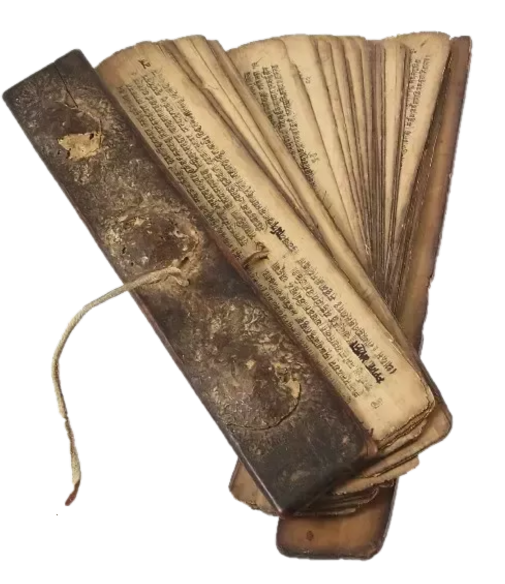
5. Explanation of the remaining Brāhmaṇa passage and of the Ṛgvedic verses (शिष्टस्य ब्राह्मणस्य ऋचां च व्याख्यानम्)
“udyad bradhnasya viṣṭapamityuttamayā pari dadhāti svargō vai lōkō bradhnasya viṣṭapaṁ svargamēva taṁ lōkaṁ yajamānaṁ gamayatyapāḥ pūrvēṣāṁ harivaḥ sutānāmiti yajati sarvēbhyō vā ēṣa savanēbhyaḥ sannirmitō yat ṣōḷaṣī tad yadapāḥ pūrvēṣāṁ harivaḥ sutānāmiti yajati pītavad vai prātaḥsavanaṁ prātaḥsavanādēvainaṁ tat sannirmimītē’thō idaṁ savanaṁ kēvalaṁ ta iti mādhyandinaṁ vai savanaṁ kēvalaṁ mādhyandinādēvainaṁ tat savanāt sannirmimītē mamaddhi sōmaṁ madhumantamindrēti madvadvai tr̥tīyasavanaṁ tr̥tīyasavanādēvainaṁ tat sannirmimītē satrā vr̥ṣan jaṭhara āvr̥ṣasvēti vr̥ṣaṇvadvai ṣōḷaṣinō rūpaṁ sarvēbhyō vā ēṣa savanēbhyaḥ sannirmitō yat ṣōḷaṣī tad yadapāḥ pūrvēṣāṁ harivaḥ sutānāmiti yajati sarvēbhya ēvainaṁ tat savanēbhyaḥ sannirmimītē sarvēbhyaḥ savanēbhyaḥ sannirmitēna ṣōḷaśinā rādhnōti sa ēvaṁ vēda।”
With the final verse beginning, “When, up to the summit of the Radiant One ...,” he brings it to a close. The summit of the Radiant One is indeed the heavenly world; he causes the sacrificer to reach precisely that heavenly world. He performs the sacrifice with the words, “You drank of the earlier pressings, O Lord of Bay Horses.” This Ṣoḍaśin is indeed fashioned from all the pressings. When he performs the sacrifice with the words, “You drank of the earlier pressings, O Lord of Bay Horses,” the morning pressing is indeed characterized by drinking; thereby he fashions it from the morning pressing itself. With the words, “And now this pressing is exclusively yours,” the midday pressing is indeed exclusive; thereby he fashions it from the midday pressing itself. With the words, “Delight in the honeyed Soma, O Indra,” the third pressing is indeed characterized by exhilaration; thereby he fashions it from the third pressing itself. With the words, “Truly, O Bull, pour it abundantly into your belly,” the form of the Ṣoḍaśin is indeed marked by the word “Bull.” This Ṣoḍaśin is indeed fashioned from all the pressings. When he performs the sacrifice with the words, “You drank of the earlier pressings, O Lord of Bay Horses,” thereby he fashions it precisely from all the pressings. By means of the Ṣoḍaśin fashioned from all the pressings, he succeeds. He knows thus.
udyad bradhnasya viṣṭapaṁ gr̥hamindraśca ganvahi। madhvaḥ pītvā sacēvahi triḥ sapta sakhyuḥ padē॥
May Indra and I ascend the home that is the Sun’s summit; having drunk of the sweet drink, may we dwell together at the friend’s thrice-sevenfold station.
bradhnasya sūryasya viṣṭapaṁ svargaṁ udganvahi indrō ahaṁ ca। yat tadindragr̥haṁ bradhnaviṣṭapaṁ madhvaḥ pītvā tatra sacēvahi sukhamanubhavāva। sakhyuḥ indrasya triḥsaptasthānēṣu।
May Indra and I ascend to the realm of Bradhna, the sun—to heaven. That which is Indra’s abode is Bradhna’s realm. Having drunk of the sweet drink, may we associate there; may we experience happiness in the three-times-seven stations of the friend Indra.
“ēkaviṁśati divyāni sthānāni divi cakriṇaḥ। vajriṇō vā’pi tadbhaktairbhujyantē tāni yājñikaiḥ॥”
The twenty-one divine stations in heaven belonging to the discus-bearer—or also to the thunderbolt-bearer—are enjoyed by sacrificial practitioners devoted to the respective one.
iti pravr̥ttē।
When it proceeds thus …
apāḥ pūrvēṣāṁ harivaḥ sutānāmathō idaṁ savanaṁ kēvalaṁ tē।mamaddhi sōmaṁ madhumantamindra satrā vr̥ṣañ jaṭhara ā vr̥ṣasva॥
You drank of the Somas pressed earlier, O mover of the senses; and now this pressing is yours alone. Delight in the honeyed Soma, O Indra; O Bull, pour it into your belly while also protecting us.
pūrvān sutān prātaḥsavanagān sōmān apāḥ। harīn= indriyāṇi vartayatīti harivaḥ, haribhirvartata iti vā। idaṁ mādhyandinaṁ savanaṁ kēvalaṁ tē। athō ityarthāntaram। madhumantaṁ sōmaṁ jaṭhara āvr̥ṣasva āsiñca। mamaddhi ca। satrā asmattrāṇēna saha।
You drank the earlier pressed Somas belonging to the morning pressing. He is Harivas because he sets the haris—the senses—in motion, or because he moves by means of the haris. This midday pressing is yours alone. The expression “further” introduces another point. Pour the honeyed Soma into your belly; pour it in. And become exhilarated. “Together” means together with the protection of us.
pītaśabdavat। apūrvapānatvāt tadēva pānaṁ mukhyamiti pītaśabdaḥ। indrasya kēvalatvāt kēvalaṁ mādhyandinaṁ savanam। mamaddhīti tr̥tīyasavanam। tatra hi madō viśēṣatō bhavati pūrtēḥ। iti savanatrayarūpatā ṣōḷaśinaḥ। vr̥ṣaṇvat vr̥ṣṇa indrasya viśēṣataḥ priyatvāt। ēvaṁ catūrūpatā ṣōḷaśinaḥ। rādhnōti r̥ddhō bhavati।
As with the expression “drunk”: because this is the first drinking, that very drinking is primary; hence the expression “drunk.” Because it is exclusive to Indra, the midday pressing is “exclusive.” The expression “be exhilarated” indicates the third pressing, for exhilaration occurs especially there because of fullness. Thus the Ṣoḍaśin has the three pressings as its forms. The expression “bull-like” is used because it is especially dear to Indra the Bull. Thus the Ṣoḍaśin has a fourfold form. He prospers; he becomes prosperous.
“athātaśchandāsyēva vyati ṣajatyā tvā vahantu haraya upō ṣu śr̥ṇuhī gira iti gāyatrīśca paṅktīśca vyati ṣajati gāyatrō vai puruṣaḥ pāṅktāḥ paśavaḥ puruṣamēva tat paśubhirvyati ṣajati paśuṣu prati ṣṭhāpayati yadu gāyatrī ca paṅktiśca tē dvē anuṣṭubhau tēnō vācō rūpādanuṣṭubhō rūpād vajrarūpānnaiti yadindra pr̥tanājyē’yaṁ tē astu haryata ityuṣṇihaśca br̥hatīśca vyati ṣajatyauṣṇihō vai puruṣō bārhatāḥ paśavaḥ puruṣamēva tat paśubhirvyati ṣajati paśuṣu pratiṣṭhāpayati yaduṣṇik ca br̥hatī ca tē dvē anuṣṭubhau tēnō vācō rūpādanuṣṭubhō rūpād vajrarūpānnaityā dhūrṣvasmai brahman vīra brahmakr̥tiṁ juṣāṇa iti dvipadāṁ ca triṣṭubhaṁ ca vyatiṣajati dvipād vai puruṣō vīryaṁ triṣṭup puruṣamēva tad vīryēṇa vyati ṣajati vīryē prati ṣṭhāpayati tasmāt puruṣō vīryē pratiṣṭhitaḥ sarvēṣāṁ paśūnāṁ vīryavattamō yadu dvipadā ca viṁśatyakṣarā triṣṭup ca tē dvē anuṣṭubhau tēnō vācō rūpādanuṣṭubhō rūpād vajrarūpānnaityēṣa brahmā pra tē mahē vidathē śaṁsiṣaṁ harī iti dvipadāśca jagatīśca vyati ṣajati dvipād vai puruṣō jāgatāḥ paśavaḥ puruṣamēva tat paśubhirvyati ṣajati paśuṣu prati ṣṭhāpayati tasmāt puruṣaḥ pratiṣṭhitō’tti cainānadhi ca tiṣṭhati vaśē cāsya yadu dvipadā ca ṣōḷaśākṣarā jagatī ca tē dvē anuṣṭubhau tēnō vācō rūpādanuṣṭubhō rūpād vajrarūpānnaiti trikadrukēṣu mahiṣō yavāśiraṁ prō ṣvasmai purōrathamityaticchandasaḥ śaṁsati cchandasāṁ vai yō rasō’tyakṣarat sō’ticchandasamabhyatyakṣarat tadaticchandasō’ticchandastvaṁ sarvēbhyō vā ēṣa cchandōbhyaḥ sannirmitō yat ṣōḷaśī tad yadaticchandasaḥ śaṁsati sarvēbhya ēvainaṁ tacchandōbhyaḥ sannirmimītē sarvēbhyaśchandōbhyaḥ sannirmitēna ṣōḷaśinā rādhnōti ya ēvaṁ vēda।”
Then, after this, he interweaves the metres themselves. With the words “May the bay horses convey you hither” and “Pray hear the songs,” he interweaves Gayatrī and Paṅkti verses. The person indeed corresponds to the Gayatrī, and the animals correspond to the Paṅkti. Thereby he interweaves the person himself with the animals and establishes him among the animals. Since the Gayatrī and the Paṅkti together are two Anuṣṭubhs, by this he does not depart from the form of speech, from the Anuṣṭubh form, the thunderbolt form. With the words “When, O Indra, in the winning of battles” and “May this one be desirable to you,” he interweaves Uṣṇih and Bṛhatī verses. The person indeed corresponds to the Uṣṇih, and the animals correspond to the Bṛhatī. Thereby he interweaves the person himself with the animals and establishes him among the animals. Since the Uṣṇih and the Bṛhatī together are two Anuṣṭubhs, by this he does not depart from the form of speech, from the Anuṣṭubh form, the thunderbolt form. With the words “Onto the shafts for him” and “O Brahman, O hero, delighting in the composition of sacred formulation,” he interweaves a Dvipadā and a Triṣṭubh. The person is indeed bipedal, and the Triṣṭubh is vigor. Thereby he interweaves the person himself with vigor and establishes him in vigor. Therefore, established in vigor, the person is the most vigorous of all animals. Since the twenty-syllable Dvipadā and the Triṣṭubh together are two Anuṣṭubhs, by this he does not depart from the form of speech, from the Anuṣṭubh form, the thunderbolt form. With the words “This is the Brahman priest” and “At the great ritual assembly I would praise your two bay horses,” he interweaves Dvipadā and Jagatī verses. The person is indeed bipedal, and the animals correspond to the Jagatī. Thereby he interweaves the person himself with the animals and establishes him among the animals. Therefore, being established, the person eats them, stands over them, and has them under his control. Since the sixteen-syllable Dvipadā and the Jagatī together are two Anuṣṭubhs, by this he does not depart from the form of speech, from the Anuṣṭubh form, the thunderbolt form. With the words “At the three Trikadruka rites, the mighty one, the barley-mixed Soma” and “Forth indeed for him, the one whose chariot is foremost,” he recites Aticchandas verses. Whatever essence of the metres overflowed, that overflowed into the Aticchandas. That is the Aticchandas’s being Aticchandas. For this Ṣoḍaśin is fashioned together from all the metres. By reciting Aticchandas verses, he thereby fashions it together from all the metres. Whoever thus knows succeeds through the Ṣoḍaśin fashioned together from all the metres.
vihr̥tapakṣē tu-
But in the alternative of separated recitation—
“pādān vyavadhāyārddharcaśaḥ śaṁsēt pūrvāsāṁ pūrvāṇi padāni gāyatryaḥ paṅktibhiḥ paṅktīnāṁ tu dvēdvē padē śiṣyētē tābhyāṁ praṇuyāduṣṇihō br̥hatībhiruṣṇihāṁ tūttamān pādān dvaudvau kuryāccaturakṣaramādyaṁ dvipadāścaturdhā kr̥tvā prathamāṁ triṣṭubhōttarā jagatībhiruttamāyāścaturthamakṣaramantyaṁ pūrvasyādyamuttarasyānuṣṭubhamaticchandassvavadadhyāt dvitīyatr̥tīyayōstr̥tīyayōḥ pādayōravasānata upadadhyāt pracētanēti pūrvasyāṁ pracētayētyuttarasyāmuttarāsvitarān pādān ṣaṣṭhān kr̥tvā’nuṣṭupkāraṁ śaṁsēt।”
Having interposed the pādas, he should recite half-verse by half-verse: the initial pādas of the preceding stanzas, the Gāyatrīs with the Paṅktis. Two pādas from each of the Paṅktis, however, remain over; with those two he should continue the recitation. He should recite the Uṣṇihs with the Bṛhatīs. He should make each final pāda of the Uṣṇihs into two, the first being four syllables long. Having divided the Dvipadās fourfold, he should combine the first with a Triṣṭubh and the subsequent ones with Jagatīs. He should make the fourth syllable of the last Dvipadā the final syllable of the preceding pāda and the initial syllable of the following pāda. He should insert the Anuṣṭubh among the Aticchandas stanzas. At the end of the third pādas of the second and third stanzas, he should add “pracetana” in the former and “pracetaya” in the latter. In the subsequent stanzas, having made the remaining pādas into sixth pādas, he should recite in Anuṣṭubh form.
mahānāmnīnāṁ pañcākṣarānupasargānupasr̥jatyēkādaśākṣarēṣu pādēṣu sarvēbhyō vā ēṣa cchandōbhyaḥ sannirmitō yat ṣōḷaṣī tadyanmahānāmnīnāṁ pañcākṣarānupasr̥jatyēkādaśākṣarēṣu pādēṣu sarvēbhya ēvainaṁ tacchandōbhyaḥ sannirmimītē sarvēbhyaśchandōbhyaḥ sannirmitēna ṣōḷaśinā rādhnōti ya ēvaṁ vēda।
He appends the five-syllabled additions of the Mahānāmnī verses to the eleven-syllabled pādas. For this Ṣoḷaśin is assembled from all the metres. In that he appends the five-syllabled additions of the Mahānāmnī verses to the eleven-syllabled pādas, he thereby assembles it from all the metres indeed. He who knows thus succeeds by means of the Ṣoḷaśin assembled from all the metres.
mahānāmnīnāṁ pañcākṣarānupasargānupasr̥jatyēkādaśākṣarēṣu pādēṣu -
He adds the five-syllable prefixes of the Mahānāmnī verses to the eleven-syllable pādas—
“ēvāhyēvā apāḥ pūrvēṣāṁ harivaḥ sutānām,ēvāhīndram̐ athō idaṁ savanaṁ kēvalaṁ tē, ēvāhi śakrō mamaddhi sōmaṁ madhumantamindra, vaśī hi śakraḥ satrā vr̥ṣañjaṭhara āvr̥ṣasvēti।”
“Just so indeed, O possessor of bay horses, you drank of the former pressed Somas. Indeed, O Indra, and further, this Soma pressing is yours alone. Just so indeed, O Śakra, exult intensely in the honeyed Soma, O Indra. For Śakra is always master; O Bull, pour it into your belly”—thus.
5.1. jñānabhaktyādisahitasyaiva karmaṇaḥ sāphalyam
The fruitfulness of action only when accompanied by knowledge, devotion, and the like.
bhagavadbhaktijñānavairāgyapūrvakaṁ ca karma kartavyam।
And action is to be performed after devotion to the Lord, knowledge, and detachment.
“iṣṭāpūrtaṁ manyamānā variṣṭhaṁ nānyacchrēyō vēdayantē pramūḍhāḥ। nākasya pr̥ṣṭhē tē sukr̥tē’nubhūtvā imaṁ lōkaṁ hīnataraṁ vā viśanti॥” - ātharvaṇōpaniṣat 1/2/10
“The utterly deluded, regarding sacrificial rites and charitable works as the highest, recognize no other higher good. Having enjoyed their reward on heaven’s summit, won by good action, they enter this world or one still lower.” — Ātharvaṇopaniṣat 1/2/10
“naiṣkarmyamapyacyutabhāvavarjitaṁ na śōbhatē jñānamalaṁ nirañjanam। kutaḥ punaḥ śaśvadabhadramīśvarē nacārpitaṁ karma yadapyakāraṇam॥” - bhāgavatam 1/5/12
Even knowledge characterized by freedom from action, though entirely unstained, does not shine when devoid of devotion to Acyuta. How much less does action that is always inauspicious and not offered to the Lord, even if performed without motive? — Bhāgavatam 1/5/12
“yataḥ pravr̥ttirbhūtānāṁ yēna sarvamidaṁ tatam। svakarmaṇā tamabhyarcya siddhiṁ vindati mānavaḥ॥” - bhagavadgītā 18/46
“A human being attains perfection by worshipping through his own action him from whom beings originate and by whom all this is pervaded.” — Bhagavadgītā 18/46
“traividyā māṁ sōmapāḥ pūtapāpā yajñairiṣṭvā svargatiṁ prārthayantē। tē puṇyamāsādya surēndralōkamaśnanti divyān divi dēvabhōgān॥” - bhagavadgītā 9/20
The knowers of the three Vedas, drinkers of Soma and purified of sins, having worshipped me with sacrifices, seek the heavenly destination. Having attained the holy world of the lord of the gods, they enjoy in heaven the divine enjoyments of the gods. — Bhagavad Gītā 9/20
“mayi sarvāṇi karmāṇi sannyasyādhyātmacētasā। nirāśīrnirmamō bhūtvā yuddhyasva vigatajvaraḥ॥ yē mē matamidaṁ nityamanutiṣṭhanti mānavāḥ। śraddhāvantō’nasūyantō mucyantē tē’pi karmabhiḥ॥ yē tvētadabhyasūyantō nānutiṣṭhanti mē matam। sarvajñānavimūḍhāṁstān viddhi naṣṭānacētasaḥ॥” - bhagavadgītā 3/30-32
“Consigning all actions to me, with a mind directed toward the Self, become free from expectation and possessiveness, and fight without anguish. Those human beings who constantly follow this teaching of mine, endowed with faith and not finding fault, are also freed from actions. But those who, finding fault with this teaching, do not follow my teaching—know those people, devoid of discernment and utterly deluded regarding all knowledge, to be ruined.” — Bhagavadgītā 3/30-32
“tapasvinō dānaparā yaśasvinō manasvinō mantravidaḥ sumaṅgalāḥ। kṣēmaṁ na vindanti vinā yadarpaṇaṁ tasmai subhadraśravasē namōnamaḥ॥” - bhāgavatam 2/4/16
Ascetics, those devoted to giving, the renowned, the high-minded, knowers of mantras, and those possessed of great auspiciousness do not attain well-being without dedication to Him. To Him, of supremely auspicious renown, obeisance again and again. — Bhāgavatam 2/4/16
“ēṣa u ēva dāśvānya ēvaṁ vēda”, “yadēva vidyayā karōti śraddhayōpaniṣadā tadēva vīryavattaraṁ bhavati” - chāndōgyōpaniṣat 1/1/8
“This one alone is indeed an offerer—the one who knows thus. Whatever one does with knowledge, with faith, and with upaniṣadic contemplation, that alone becomes more potent.” — Chāndogya Upaniṣad 1/1/8
“paraṁ bhāvamajānantō mama bhūtamahēśvaram।mōghāśā mōghakarmāṇō mōghajñānā vicētasaḥ॥” - bhagavadgītā 9/11-12
“Not knowing my higher nature as the great Lord of beings, with futile hopes, futile actions, futile knowledge, and no discernment…” — Bhagavad Gītā 9/11-12
“sarvaguhyatamaṁ bhūyaḥ śr̥ṇu mē paramaṁ vacaḥ। iṣṭō’si mē dr̥ḍhamiti tatō vakṣyāmi tē hitam॥ manmanā bhava madbhaktō madyājī māṁ namaskuru। māmēvaiṣyasi satyaṁ tē pratijānē priyō’si mē॥” - bhagavadgītā 18/64-65
“Hear again from me the supreme word, the most secret of all. You are deeply beloved by me; therefore I shall tell you what is beneficial to you. Let your mind be on me; be my devotee; be one who sacrifices to me; bow to me. You will come to me alone. I truly promise you: you are dear to me.” — Bhagavadgītā 18/64-65
“vijñānamānandaṁ brahma rātirdātuḥ parāyaṇam। tiṣṭhamānasya tadvidaḥ” - br̥hadāraṇyakōpaniṣat 5/9/34
“Brahman is knowledge and bliss, the reward of the giver and the supreme goal of the one who abides and knows it.” — Bṛhadāraṇyakopaniṣad 5/9/34
ityādiśrutismr̥tibhyaḥ।
From Śruti and Smṛti texts beginning with this.