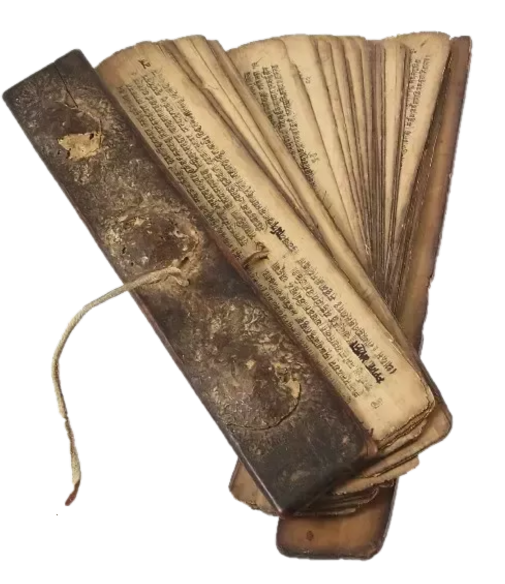
B.G 2.46
yāvān artha udapāne sarvataḥ samplutodake। tāvān sarveṣu vedeṣu brāhmaṇasya vijānataḥ ॥2-46॥
That purpose realized in a well is more than served by the vast pond of water. Similarly, what is realized through all the Vēdas, is obtained by a learned man who has transcendental knowledge.
Gīta Bhāshya 2.46
Those who perform actions without desire also get the results, but without misery. 'brāhmaṇa' is the one with transcendental knowledge, indicated by the word 'vijānataḥ'. Just listening to such a knowledgeable Brahmin also gets results of studying all the Vēdas.
tathāpi kāmyakarmaṇāṃ phalaṃ jñānināṃ na bhavatīti sāmyameva ityata āha– yāvānartha iti।
If doubt arises, what if results of action with desire are not obtained by the knowledgeable? It is answered by 'yāvānartha' verse.
yathā yāvān arthaḥ prayojanam udapāne kūpe bhavati tāvān sarvataḥ samplutodake antarbhavatyeva। evaṃ sarveṣu vedeṣu yat phalaṃ tat vijānatopi jñāninaḥ brāhmaṇasya phale antarbhavati।
It means, whatever utility one gets from deep well, same utility is served by a large pond. Similarly, the results one gets by all the Vēdas is included in the knowledge one gets from the wise intellectual, a brahmin.
brahma aṇatīti brāhmaṇaḥ। aparokṣajñānī। sa hi brahma gacchati। vijānataḥ iti jñānaphalatvaṃ tasya darśayati ॥46॥
One who has grasped Brahman, i.e. the supreme lord, is called 'brāhmaṇa'. He is possessed with transcendental knowledge. Only he (one possessed with transcendental knowledge) goes to Brahman. The word 'vijānataḥ' shows his speciality is because of his transcendental knowledge.
Gīta Tātparya 2.46
Vēdas are conveying the supremacy of lord Vishnu only.
"udrekāt patṛrāhityāt anatvāccākhilasya ca। pralaye'pyudapānosau bhagavān harirīśvaraḥ॥ prakṛtirhi udaroṣeṇa sarvamāvṛtya tiṣṭhati। pralayeto layaṃ prāhuḥ sarvataḥ samplutodakam॥"
"Lord Hari the supreme owner, is without father, is infinite, greater than the greatest, pervades the destructive waters with outrage during universal annihilation."
iti ca।
- thus states the ancient proverb.
"yāvat prayojanaṃ viṣṇoḥ sakāśāt sādhakasya ca। dharmamokṣādikaṃ tāvat sarvavedavido bhavet॥ vedārthanirṇayo yasmāt viṣṇorjñānaṃ prakīrtitam। jñānāt prasannaśca hariryatokhilaphalapradaḥ॥"
"The seekers of lord Vishnu who see his presence everywhere get the same fruits of dharma and liberation as the one got by those who know all the Vedas. Because the ascertained knowledge one gets by the analysis of all Vedas is nothing but knowledge of lord Vishnu. Pleased by such knowledge, lord Hari bestows the greatest fruits."
iti ca।
- thus states the ancient proverb.
sarvataḥ samplutodake'pi udriktaḥ pālakavarjitaḥ kālādyanaśca yo viṣṇuḥ tasmāt yāvat phalaṃ tāvat sarvavedeṣu viśeṣajñasyaiva bhavatītyarthaḥ।
Whatever results one gets from that lord Vishnu, who has none to look after in the all pervading enraged annihilation waters, who is there before the beginning of time, same results are obtained by understanding the special knowledge of all Vedas - is the meaning.
sarve hi viṣṇoḥ anye pralayakāle nodriktāḥ। ye ca udriktāḥ muktāḥ ramā ca tepi na pālakavarjitāḥ। viṣṇupālyatvāt। na ca muktāḥ kālādiceṣṭakāḥ। na ca udriktatvaṃ teṣāṃ tadvat। ataḥ udapāno viṣṇureva। pralaye viśeṣatopi।
Everything is but lord Vishnu during universal annihilation, as others have not yet arisen. The liberated and goddess 'Rama', the governess of the insentient, is not without guardian during this enragement. The lord Vishnu will look after them. Liberated do not experience the activities of time or the enragement. Therefore, only lord Vishnu exists in a special way during universal destruction in the waters of annihilation.
"ānīdavātaṃ svadhayā tadekaṃ tasmāddhānyanna paraḥ kiñcanāsa। tama āsīt tamasā gūḷhamagre apraketaṃ salilaṃ sarvamā idam॥"
"He alone existed as supreme with no other. The wind blew without the wind with his own energy. The unmanifest insentient had become that vast expanse of water and all pervading darkness was born out of darkness."
"āpo vā idamagre salilam āsīt salila eko draṣṭā advaito bhavati॥"
"In that water of universal destruction, he appeared to be alone with those waves, without a second."
ityādi śrutibhyaḥ ॥46॥
- there are such Vēdic statements.