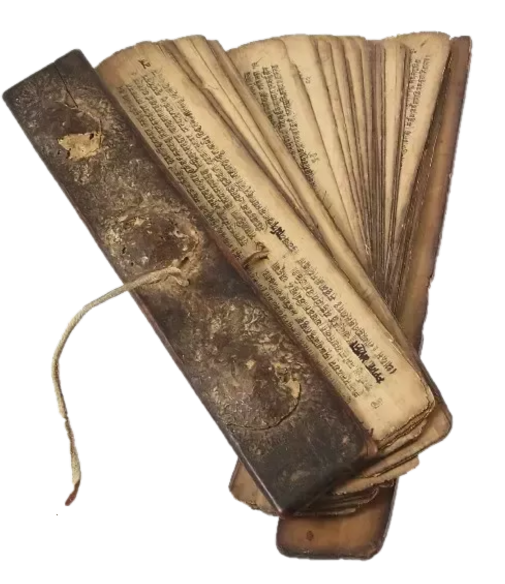
Dvādaśa Stotra (द्वादशस्तोत्रम्)
Chapter Eleven - Udīrṇamajaraṁ (एकादशोध्यायः - उदीर्णमजरं)
I bow to the exalted, imperishable, divine foot of the Lord of bliss, streaming nectar and revered by Brahmā, Indra, and others. (1)
I revere the supreme abode of bliss, celebrated by the words of all the Vedas, the dwelling place of Indirā, and revered by Brahmā, Indra, and others. (2)
I worship the foot of Ānanda, the primordial God of all gods, which has rent the great darkness and is revered by Brahmā, Indra, and the other gods. (3)
I always bow reverently to the noble, faultless foot of Ānanda, lord of Sundarī, revered by Brahmā, Indra, and others. (4)
I bow to Ānanda’s foot, resembling the heart of a blue lotus, perfectly complete, bewildering disputants, and reverently worshipped by Brahmā, Indra, and others. (5)
I worship Ānanda’s wondrously excellent foot, which grants all divine sovereignty, liberation, and the like and is revered by Brahmā, Indra, and others. (6)
I revere the state of bliss that, though farther than the far, is itself nearer than the near and is revered by Brahmā, Indra, and others. (7)
I worship the Lord of the gods’ abode of bliss, the one ocean filled with every virtue, without beginning or end, and revered by Brahmā, Indra, and others. (8)
This holy hymn to Hari, whose form is bliss, was composed by the sage Ānandatīrtha. One who recites it may attain the state of bliss. (9)
Thus ends the eleventh chapter of the Dvādaśastotra, composed by the illustrious Ānandatīrtha Bhagavatpādācārya.

...

बहुचित्रजगद्बहुधाकरणात् परशक्तिरनन्तगुणः परमः ।
सुखरूपममुष्य पदं परमं स्मरतस्तु भविष्यति तत्सततम् ॥
"The one who has created this variegated vast universe with varied forms has infinite power and is of infinite auspicious qualities. He certainly bestows the highest state of bliss to those who meditate on his ever happy essence." -Dwādasha stōtra 4.3

Source and Copyright: The Sanskrit works of Madhvacharya reproduced here are ancient public-domain texts. Digital Sanskrit sources are acknowledged wherever applicable. The English translations, explanatory notes and original editorial material on madhva.in are © Madhukrishna Sudhindra, unless otherwise indicated.