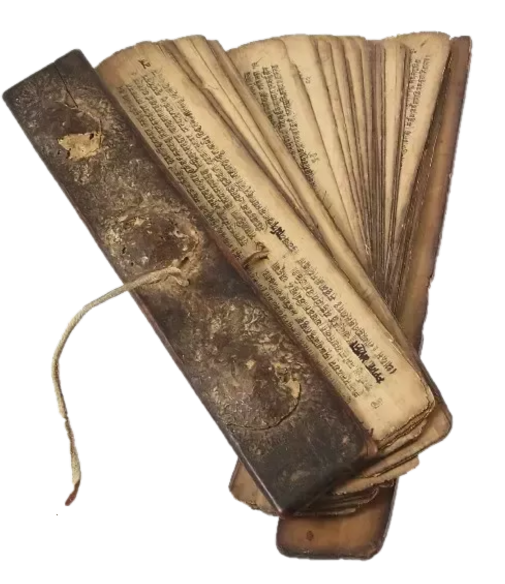
Kāthakopaniṣat Bhāshya (काठकोपनिषत् )
1.1.27
अजीर्यताममृतानामुपेत्य जीर्यन् मर्त्यः क्वाधस्थः प्रजानन्। अभिध्यायन् वर्णरतिप्रमोदान् अतिदीर्घे जीविते को रमेत ॥२७॥
ajīryatām amṛtānām upetya jīryan martyaḥ kva adhasthaḥ prajānan. abhidhyāyan varṇa-rati-pramodān atidīrghe jīvite ko rameta ॥27॥
[अजीर्यताम् (ajīryatām) - among the undecaying; अमृतानाम् (amṛtānām) - of the immortals; उपेत्य (upetya) - having approached; जीर्यन् (jīryan) - decaying; मर्त्यः (martyaḥ) - mortal; क्व (kva) - where; अधस्थः (adhasthaḥ) - inferior; प्रजानन् (prajānan) - knowing; अभिध्यायन् (abhidhyāyan) - reflecting on; वर्ण-रति-प्रमोदान् (varṇa-rati-pramodān) - pleasures of form, delight, and joy; अति-दीर्घे (ati-dīrghe) - very long; जीविते (jīvite) - in life; कः (kaḥ) - who; रमेत (rameta) - would delight;]
Having approached the undecaying immortals, how could a decaying mortal, knowing (this), being inferior, delight in pleasures of form, gratification, and joy? Who would rejoice in a very long life?

...

बहुचित्रजगद्बहुधाकरणात् परशक्तिरनन्तगुणः परमः ।
सुखरूपममुष्य पदं परमं स्मरतस्तु भविष्यति तत्सततम् ॥
"The one who has created this variegated vast universe with varied forms has infinite power and is of infinite auspicious qualities. He certainly bestows the highest state of bliss to those who meditate on his ever happy essence." -Dwādasha stōtra 4.3

Source and Copyright: The Sanskrit works of Madhvacharya reproduced here are ancient public-domain texts. Digital Sanskrit sources are acknowledged wherever applicable. The English translations, explanatory notes and original editorial material on madhva.in are © Madhukrishna Sudhindra, unless otherwise indicated.