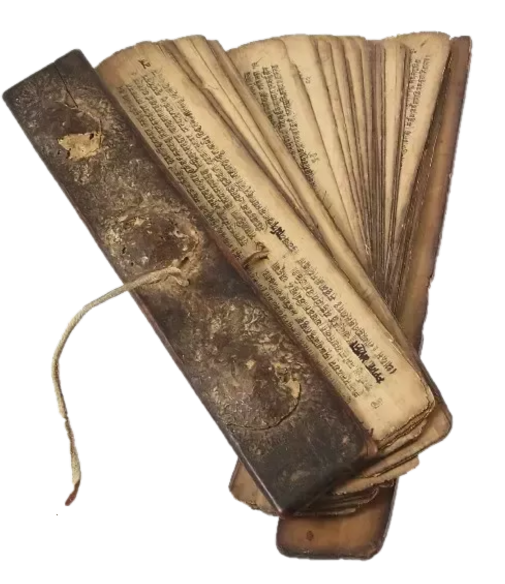
B.G 2.27
जातस्य हि ध्रुवो मृत्युर्ध्रुवं जन्म मृतस्य च। तस्मादपरिहार्येऽर्थे न त्वं शोचितुमर्हसि ॥२-२७॥
jātasya hi dhruvo mṛtyurdhruvaṃ janma mṛtasya ca। tasmādaparihārye'rthe na tvaṃ śocitumarhasi ॥2-27॥
[जातस्य (jātasya) - of the born; हि (hi) - indeed; ध्रुवः (dhruvaḥ) - certain; मृत्युः (mṛtyuḥ) - death; ध्रुवम् (dhruvam) - certain; जन्म (janma) - birth; मृतस्य (mṛtasya) - of the dead; च (ca) - and; तस्मात् (tasmāt) - therefore; अपरिहार्ये (aparihārye) - inevitable; अर्थे (arthe) - in the matter; न (na) - not; त्वम् (tvam) - you; शोचितुम् (śocitum) - to lament; अर्हसि (arhasi) - deserve;]
(For one who is born, death is certain, and for one who has died, birth is certain. Therefore, you should not grieve over the inevitable.)
Death is inevitable for one who is born and birth is inevitable for one who dies. Therefore, you should not grieve over what is unavoidable.
Gīta Bhāshya 2.27
Don't grieve over what is unavoidable.
कुतः अशोकः? नियतत्वात् इत्याह – जातस्येति ॥२७॥
kutaḥ aśokaḥ? niyatattvāt ityāha – jātasya iti ॥27॥
[कुतः (kutaḥ) - why; अशोकः (aśokaḥ) - sorrowless; नियतत्वात् (niyatattvāt) - due to certainty; इत्याह (ityāha) - thus said; जातस्य (jātasya) - of the born; इति (iti) - thus;]
(Why is there no sorrow? It is due to the certainty of what is born, thus it is said.)
Why one should not grieve? Because it is inevitable, so said in 'jātasyeti' verse.
Gīta Tātparya 2.27
Death is inevitable, don't be surprised!
तस्मात् नात्र आश्चर्यबुद्धिः कर्तव्या ॥२७॥
tasmāt nātra āścaryabuddhiḥ kartavyā ॥27॥
[तस्मात् (tasmāt) - therefore; न (na) - not; अत्र (atra) - here; आश्चर्यबुद्धिः (āścaryabuddhiḥ) - astonishment; कर्तव्या (kartavyā) - should be made;]
(Therefore, one should not be astonished here.)
Therefore, it is not worth to be surprised about birth and death of the beings.