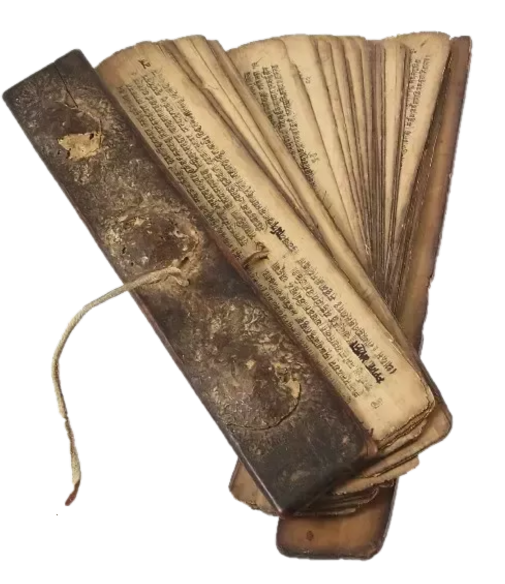
Bhagavad Gīta Bhāshya and Tātparya
B.G 2.26
atha cainaṃ nityajātaṃ nityaṃ vā manyase mṛtam। tathāpi tvaṃ mahābāho nainaṃ śocitum arhasi ॥2-26॥
O mighty armed, even if you regard the being as inevitably born, and inevitably dying, it is not right for you to grieve.
Gīta Bhāshya 2.26
Birth and death are inevitable and hence there is no need to lament.
astvevaṃ ātmano nityatvam tathāpi dehasaṃyoga viyogātmakajanimṛtī sta eva ityata āha 'atha ca' iti ॥26॥
Even though Jiva is everlasting, it still goes through the process of being born and dying in the form of uniting and separating from the body. Hence the "atha ca" verse.
Gīta Tātparya 2.26
The word 'nityam' in this verse means 'inevitable' based on context and dictionary.
tiṣṭhatu tāvat ayaṃ vistāraḥ। yāvanmokṣaṃ jīvasya janmamaraṇe svayameva manyase nanu niyamena। tathāpi tāvanmātreṇāpi jñānena śocituṃ nārhasi।
Despite the explanations provided so far, you must still wait to get liberated. In the meantime, birth and death are both subject to the law and unavoidable. With this minimal knowledge, it is clear that grieving is not worth it.
"nityaṁ sanātanaṁ proktaṁ nityaṁ niyatameva ca।"
'The word 'nitya'means that which is eternal. It also means that which cannot be avoided"
iti śabdanirṇaye।
- states "shabdanirnaya" dictionary.
atra tu niyatam। 'jātasya hi dhruvaḥ' iti prakāśanāt ॥26॥
The word 'nitya' should be interpreted as that which is inevitable. Because in the next verse "jātasya hi dhruvaḥ", a similar meaning is expressed using the word "dhruvaḥ".

...

बहुचित्रजगद्बहुधाकरणात् परशक्तिरनन्तगुणः परमः ।
सुखरूपममुष्य पदं परमं स्मरतस्तु भविष्यति तत्सततम् ॥
"The one who has created this variegated vast universe with varied forms has infinite power and is of infinite auspicious qualities. He certainly bestows the highest state of bliss to those who meditate on his ever happy essence." -Dwādasha stōtra 4.3

Copyright © 2025, Incredible Wisdom.
All rights reserved.