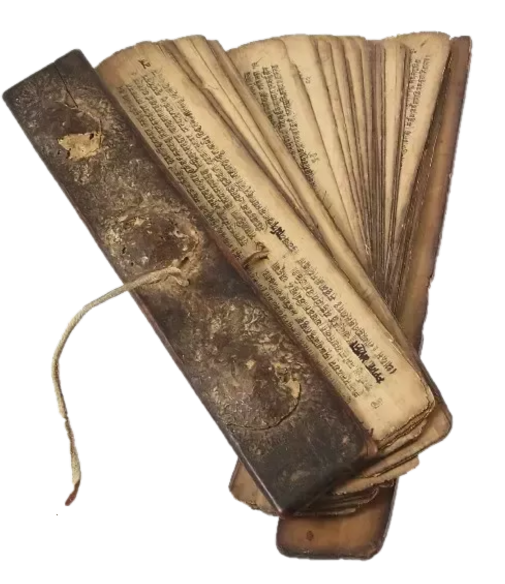
Chapter Eight - Vanditāśeṣa (अष्टमोध्यायः - वन्दिताशेष)
We propitiate Vāsudeva, the mighty God worshipped and revered by all, whose splendid broad shoulders are anointed with sandalwood, who is ceremonially honored by Indirā’s darting sidelong glances, whose rounded, upraised arms lifted Mandara, and who is the perfect adornment of the host of gods. We propitiate Vāsudeva. (1)
We please Vāsudeva, continually engaged in the play of creation and destruction, resplendent in a true form fully endowed with the six excellences, intent on the complete annihilation of the wicked, and the refuge of joyful, thriving, disciplined people—the perfect adornment of the assembly of gods; we please Vāsudeva. (2)
We propitiate Vāsudeva, who fulfills every lofty aspiration, whose glorious feet grant transcendent joy to those who bow, who impels beings with differing karmic dispositions, and who is debated among the learned with the question, “Is that so or not?”—the perfect adornment of the host of deities. We propitiate Vāsudeva. (3)
We propitiate the supreme, pure Vāsudeva, worshipped by foremost Brahmins ever intent on Vedic discourse and by mighty sovereigns, whose attribute is inconceivably vast consciousness and whose nature is radiant, ageless bliss—the complete adornment of the host of deities. We propitiate Vāsudeva. (4)
We propitiate Vāsudeva, whom no one anywhere can surpass, in whose qualities the noblest place supreme confidence, who is true in resolve, the one, most excellent and sovereign, and who is always proclaimed in Vedic teaching by those of unimpaired understanding—the complete adornment of the host of deities. We propitiate Vāsudeva. (5)
We seek to please Vāsudeva, who uproots the succession of suffering for those who behold him; whom Aja and Īśa worship with the words, “May he be seen! May he be seen!”; who is far removed from those who are perishing, yet always dwells within the self; and who, of his own will, has become subject to good people—the enduring ornament of the assembly of deities. We seek to please Vāsudeva. (6)
Let us please Vāsudeva, who created the firstborn Aja of foremost form, whose embodied form consists solely of all qualities, whose son’s foremost son is even the primeval Ugra, and who is always rightly recognized as the supreme deity—Vāsudeva, the complete adornment of the host of deities. Let us please Vāsudeva. (7)
We please Vāsudeva, who is unfailing, eternally filled with every quality and always free from every fault; who is proclaimed unborn by the great pronouncements of all the Vedas and is ever well worshipped by Brahmā, Rudra, Indra, and others—the complete adornment of the assembly of gods. We please Vāsudeva. (8)
We propitiate Vāsudeva, by whom the universe beginning with Aja is always sustained, by whom every sorrow of those who meditate on him is warded off, by whom everything that others cannot accomplish is accomplished, and by whom all beings are always made to do everything—the perfect adornment of the assembly of gods. We propitiate Vāsudeva. (9)
At the remembrance of him, all the sins of those whose hearts have been purified through devotion are always destroyed. He grants their stations to gods such as Śarva and Guru, and good people perform deeds to please him. We please Vāsudeva, the perfect adornment of the assembly of deities; we please Vāsudeva. (10)
An act duly offered to Vāsudeva, the Supreme, is imperishable; through his name sufferings are utterly destroyed. He is imperishable, ageless, and ever immortal, and the universe beginning with Aja is always contained in his belly. We please Vāsudeva, the perfect adornment of the assembly of gods; we please Vāsudeva. (11)
Joyful and bearing Nanditīrtha as our exalted name, fixing our minds on the eternally blissful God, we always propitiate Vāsudeva, who bestows elevation with his gentle smile and reddish sidelong glance and delights every host of gods and others—the perfect adornment of the circle of deities. We propitiate Vāsudeva. (12)
Thus ends the eighth chapter of the Dvādaśastotra, composed by the venerable Ānandatīrtha Bhagavatpādācārya.